
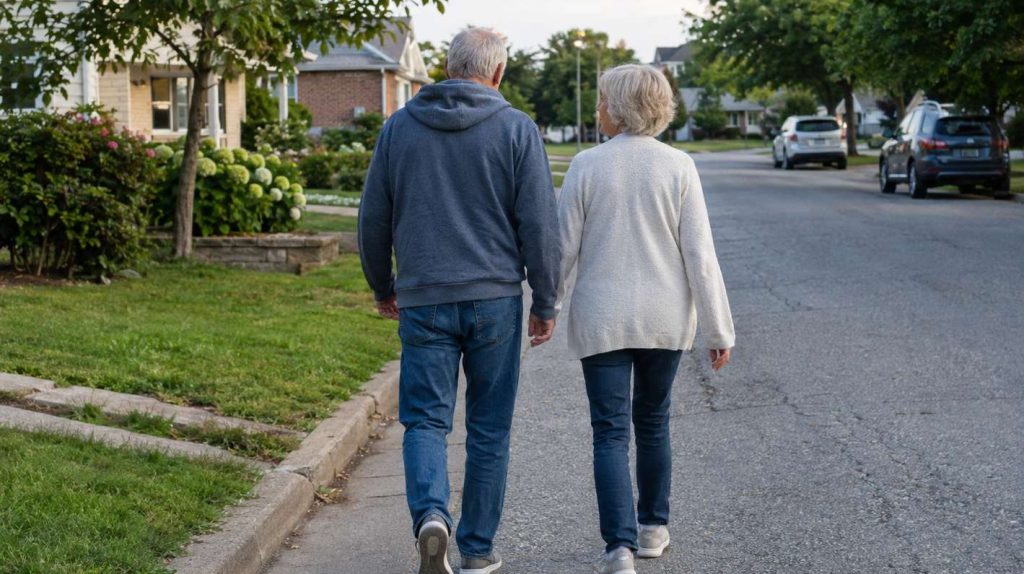
Should You Walk After Eating? What It Does for Blood Sugar
A gentle walk soon after eating makes the blood sugar rise from that meal smaller. In one trial, the same minutes did more after meals than in one daily walk.

A gentle walk soon after eating makes the blood sugar rise from that meal smaller. In one trial, the same minutes did more after meals than in one daily walk.

Four canes for walks that leave the sidewalk, each matched to the ground it suits, what a review for family doctors says about height and hand, and one wooden stick that is not a cane at all.
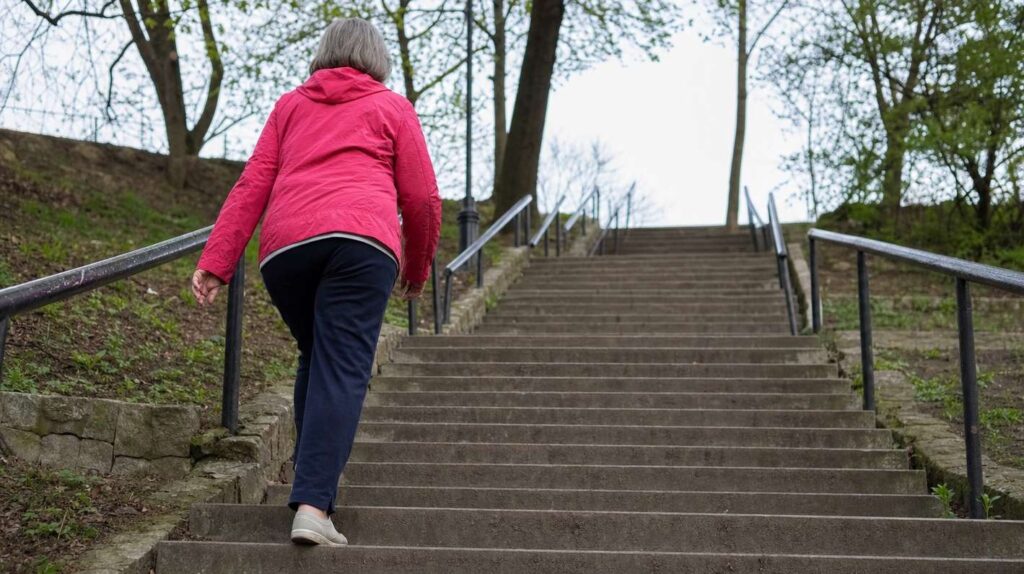
Walking is weight-bearing, but the pooled trials show no significant effect at the spine and an uncertain one at the hip. Here is what to keep, and what to add.
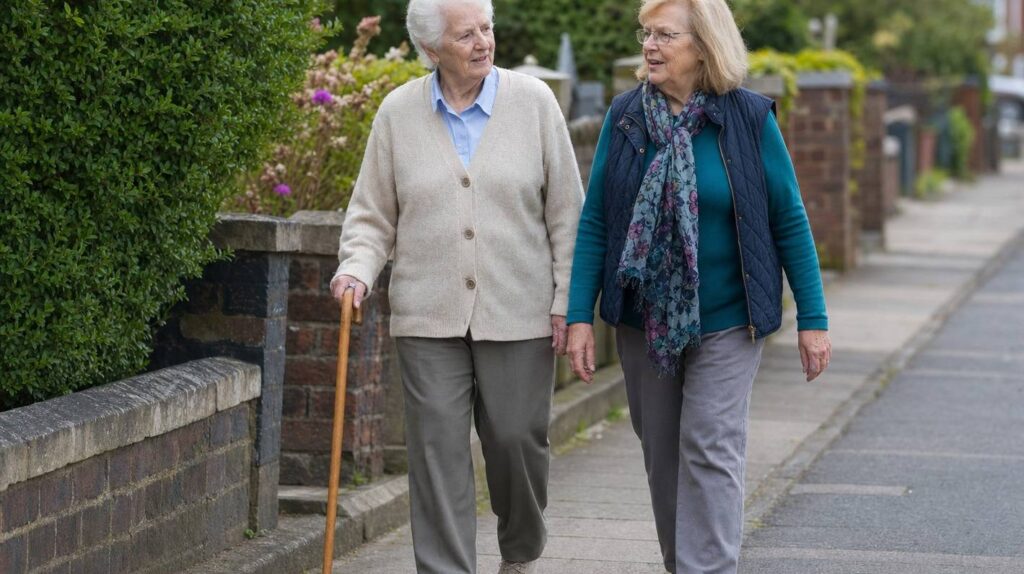
Most people hold a cane on their sore side, where it barely widens their base and takes little load off the joint. Here is the hand, the height, and the stair sequence that actually protect a weak leg.
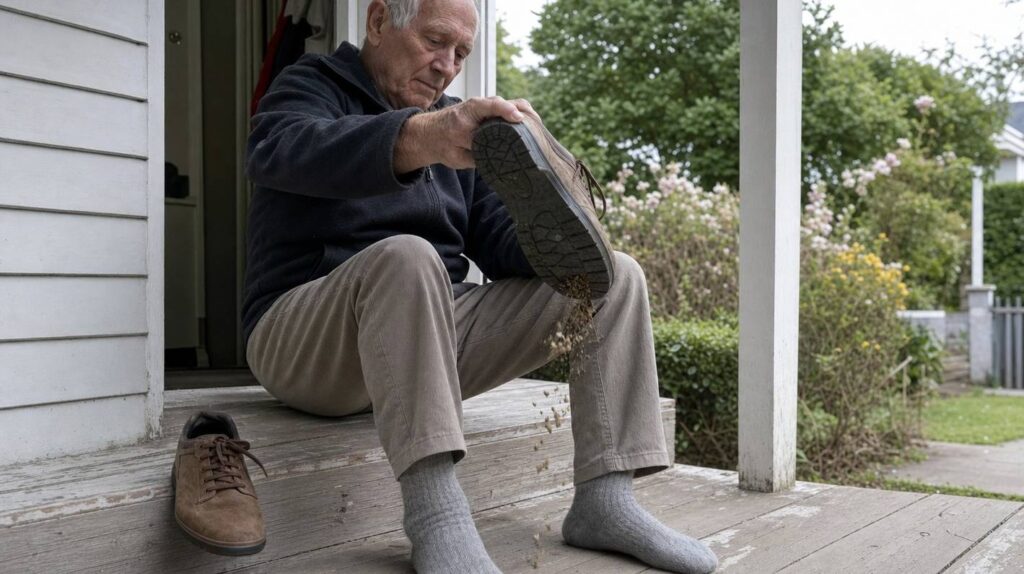
Doctors once told people with numb feet to stay off them. The guidance has reversed, but only partway, and the fine print matters more than the headline. Here is what the evidence actually shows, and the precautions that make it safe.
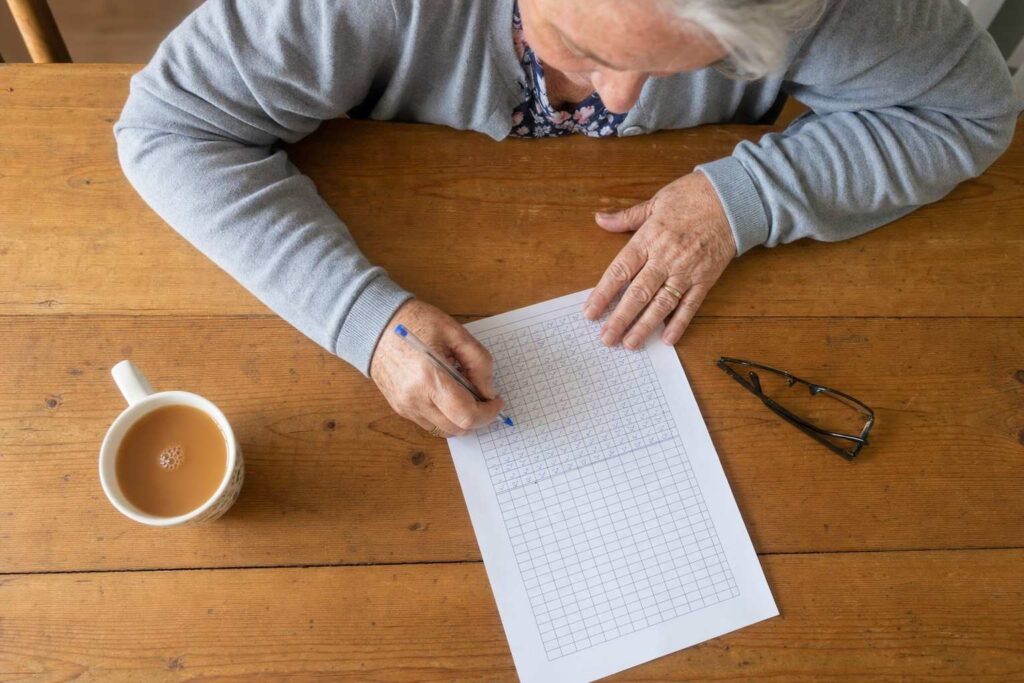
A simple printable tracker with a row for every walk in the 4-week plan. Log your minutes, how you felt, and anything worth remembering, then read the pattern back.
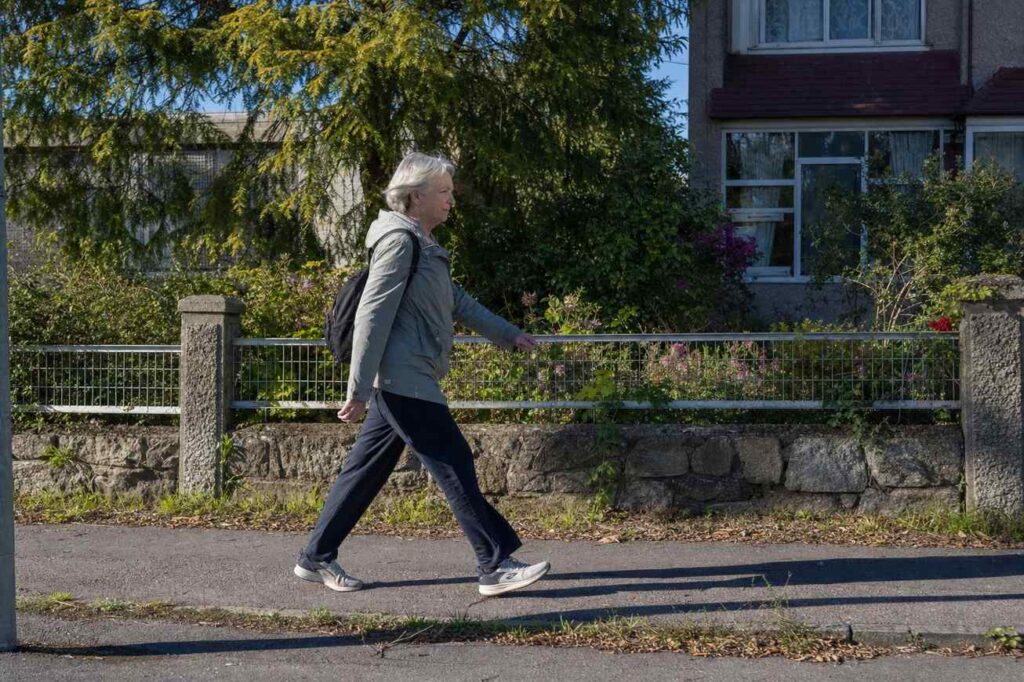
Researchers can learn a lot about your health just by watching how fast you walk. Here is what the evidence shows, and how to gently work with your pace instead of against it.
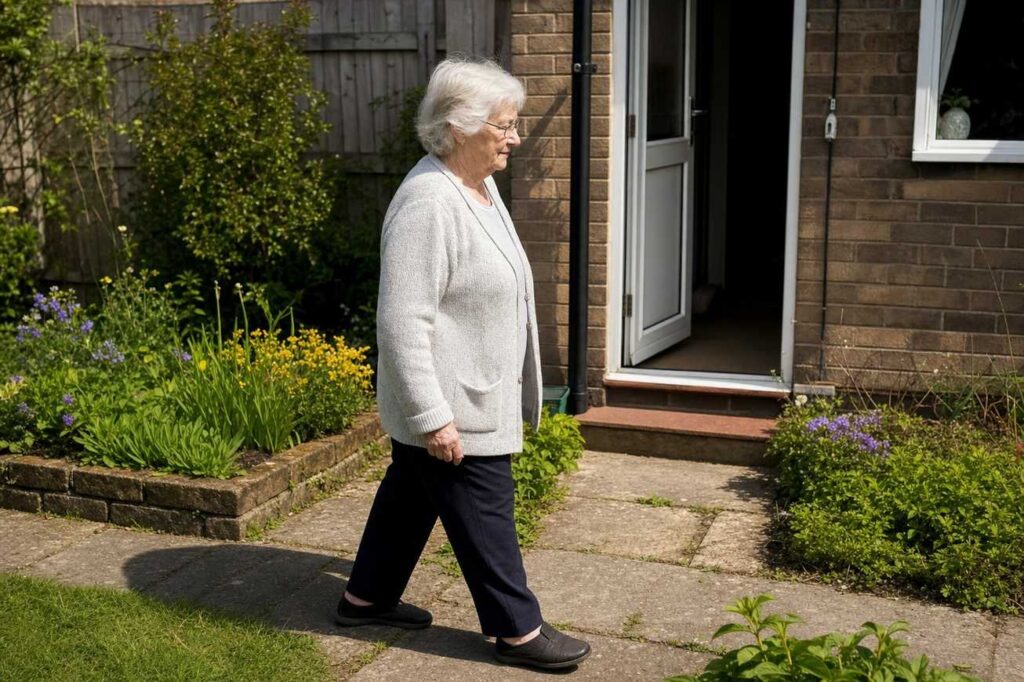
You can meet your step goal and still sit too long. Research now treats unbroken sitting as its own health risk, separate from exercise. The fix is smaller than you think.
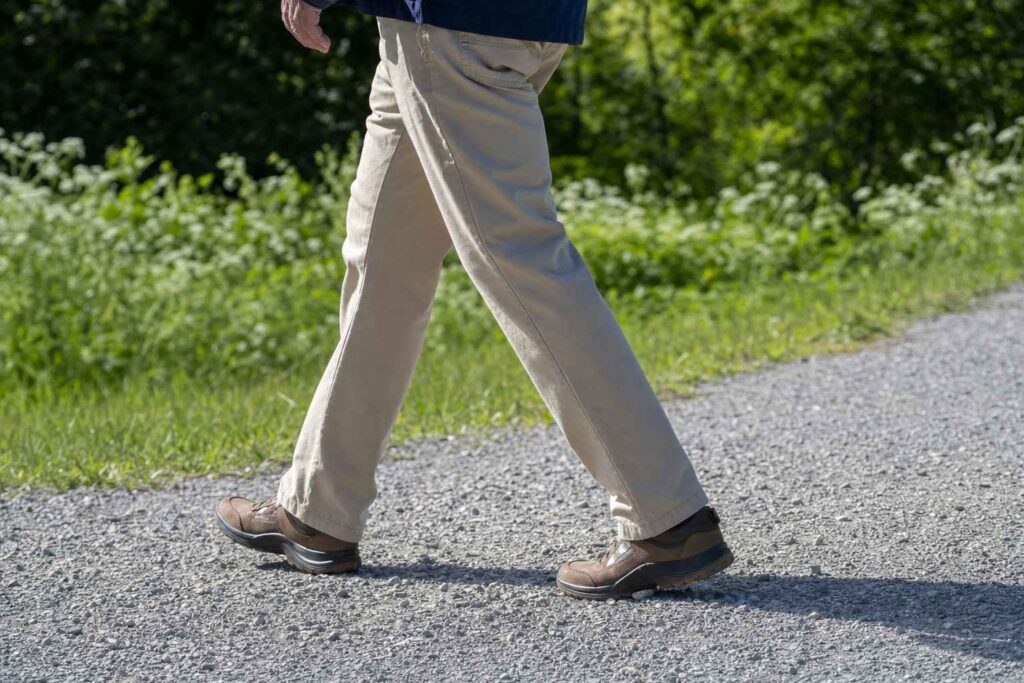
Many people fear that every step grinds the knee down a little more. The research, and the way the joint is built, point the other way. Here is what the evidence actually shows.
A daily walk may do more for your mind than for your waistline. Here is what the research actually shows about walking, memory, and the aging brain, and how much it takes.