
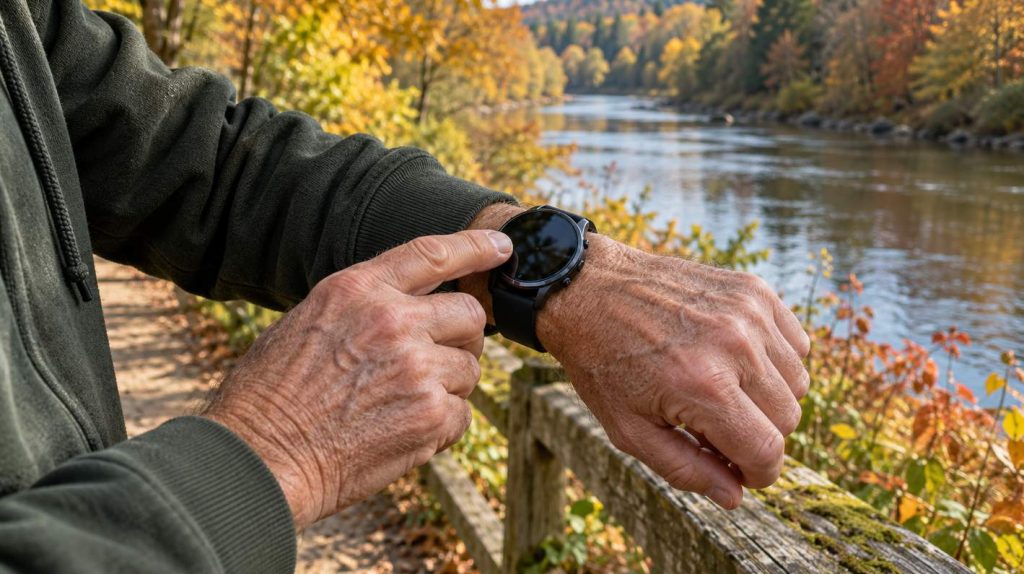
What Should Your Heart Rate Be When Walking After 50?
A walking heart rate range for healthy adults is an age-based estimate, not a personal limit. An effort check works without a monitor, and beta blockers can make the usual target unsuitable.

A walking heart rate range for healthy adults is an age-based estimate, not a personal limit. An effort check works without a monitor, and beta blockers can make the usual target unsuitable.
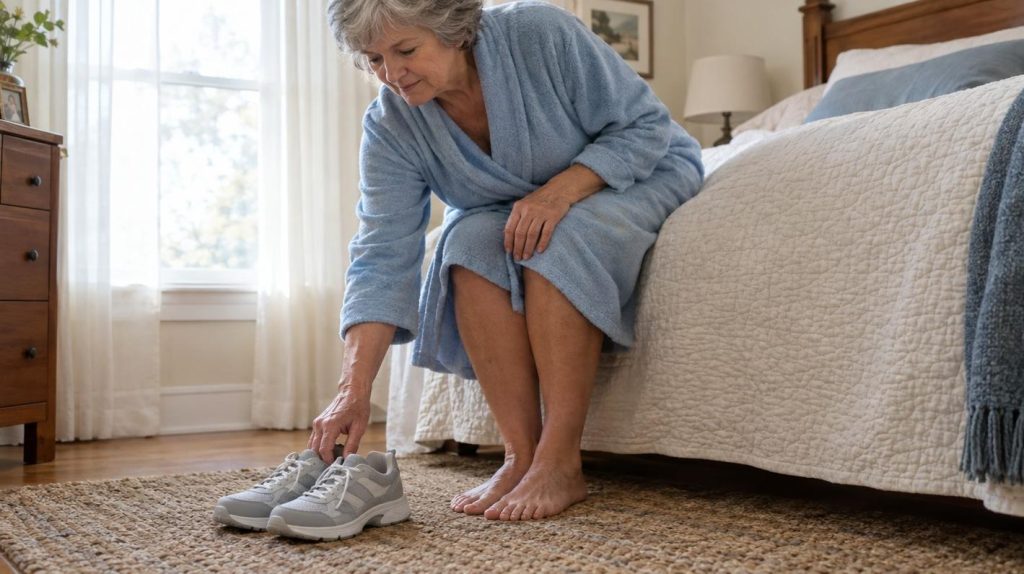
Four walking shoes for women and men with sore morning heels, plus what a 2023 clinical guideline says insoles can and cannot do.

Average walking speeds for ages 50 to 99, converted into minutes per mile, with a way to time your own mile and read the result.
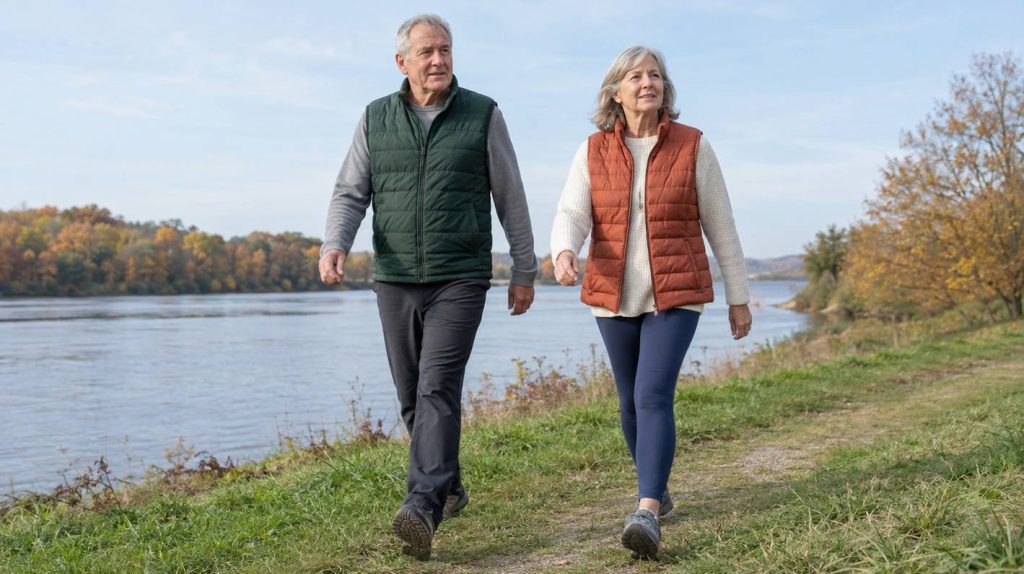
Three minutes brisk, three minutes easy, five rounds. The pattern was tested in a Japanese trial of 246 adults averaging 63, and it can be started gently.
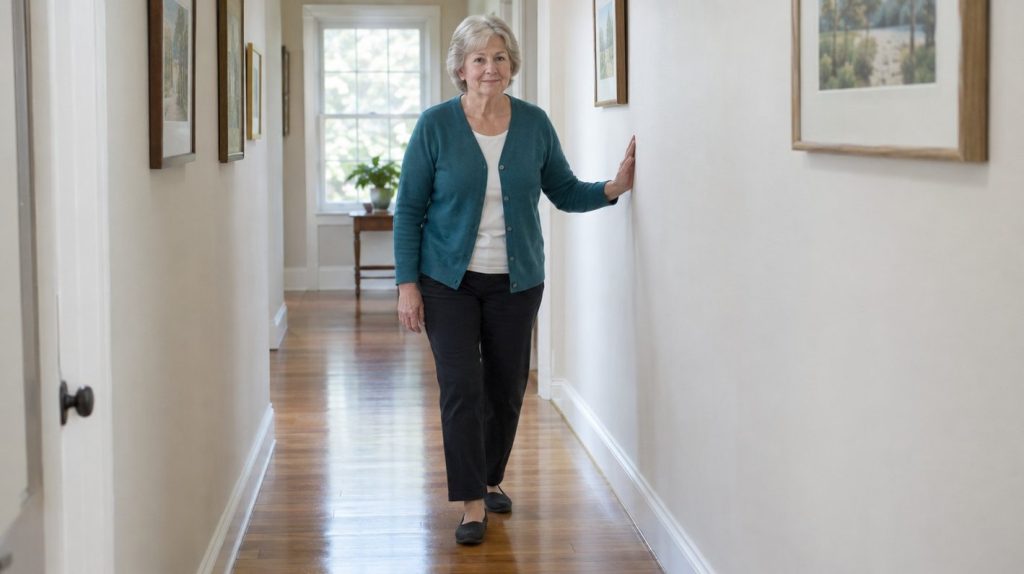
Videos promise sore knees, steadier balance and a younger stride from walking in reverse. Two small trials give a partial yes, with a short, rail-first way to try it.
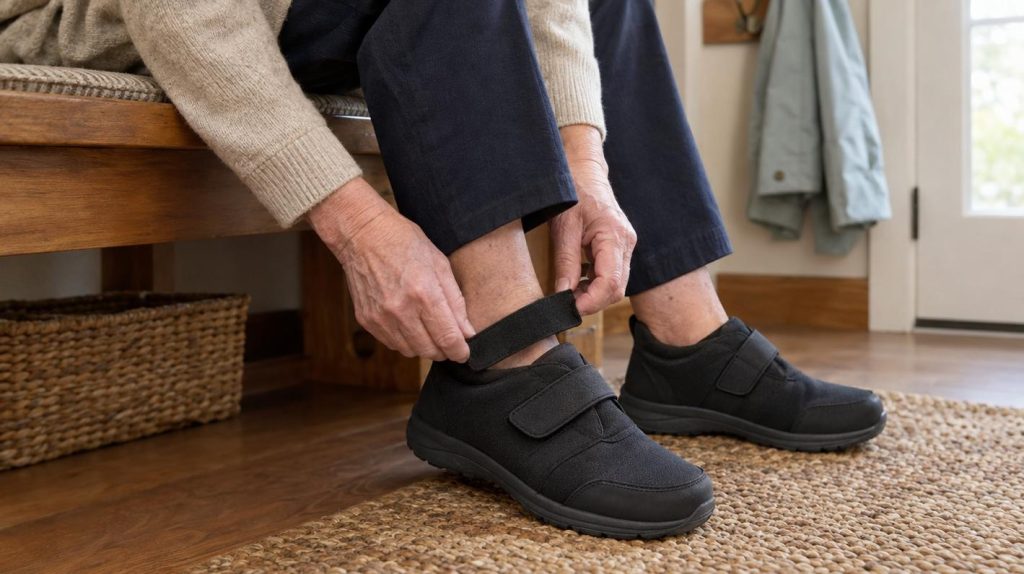
Five extra-depth and double-depth shoes for women and men with numb feet, with the listed depth and widths, plus what to check in a fit and what Medicare covers.
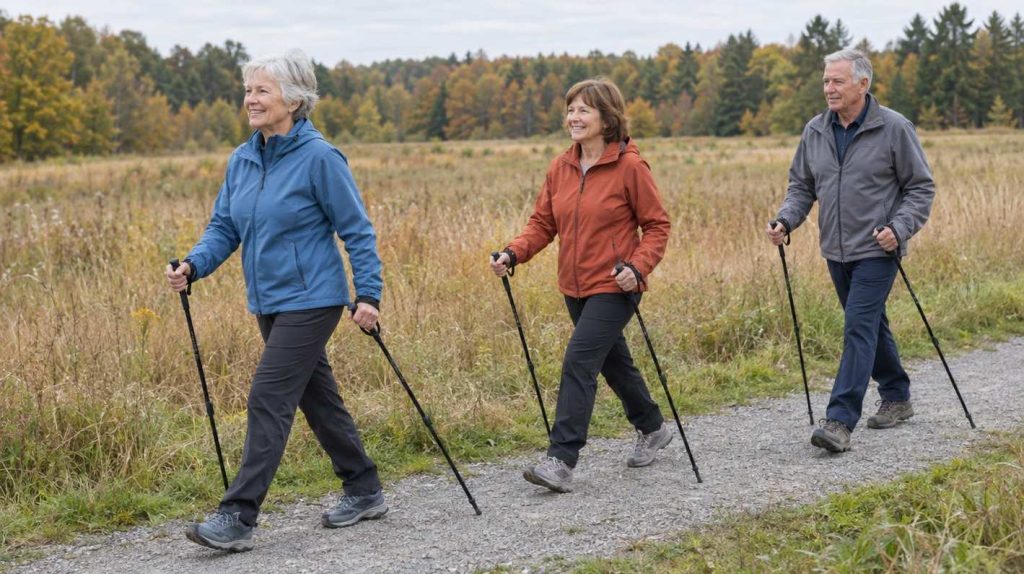
Nordic walking is ordinary walking with two poles pushed back behind you. A review of studies in adults aged 60 to 92 found gains in fitness, strength and balance while moving. Learn the pole length, the push and a gentle way to start.
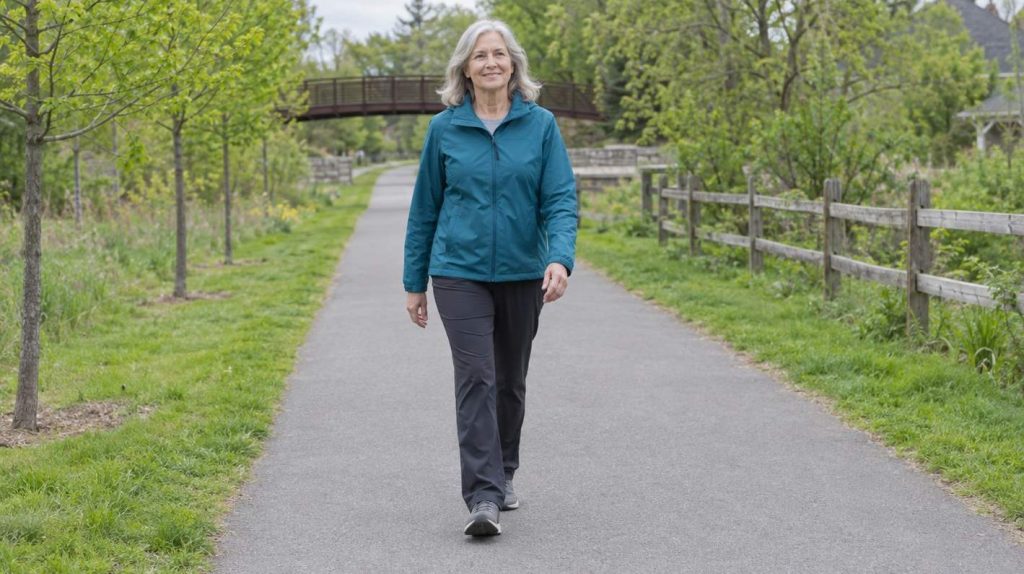
A 2024 Australian trial found that a walking program after a back-pain episode pushed the next flare that limited activities from a median of 112 days to 208. What the program involved, how to ease back into walking after a flare, and the signs that call for a doctor first.
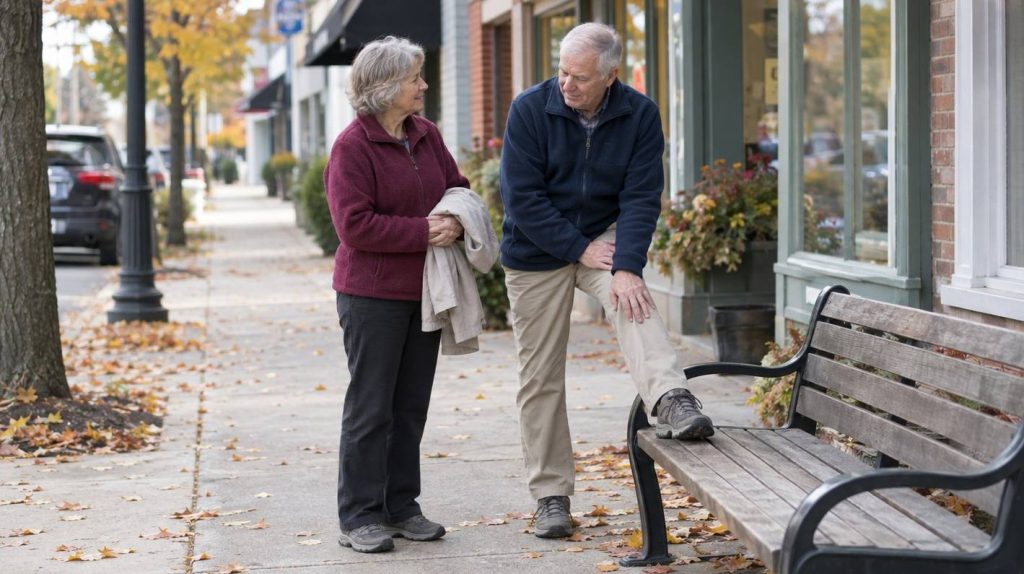
A calf ache that comes on while you walk and fades after several minutes of rest is the pattern to know. Many calf aches are simpler, and a swollen, warm calf needs a call right away.
In a review of 73 trials, walking lowered the top blood pressure number by about 4 mmHg. See how much to walk, how long it takes, and when to see a doctor.