
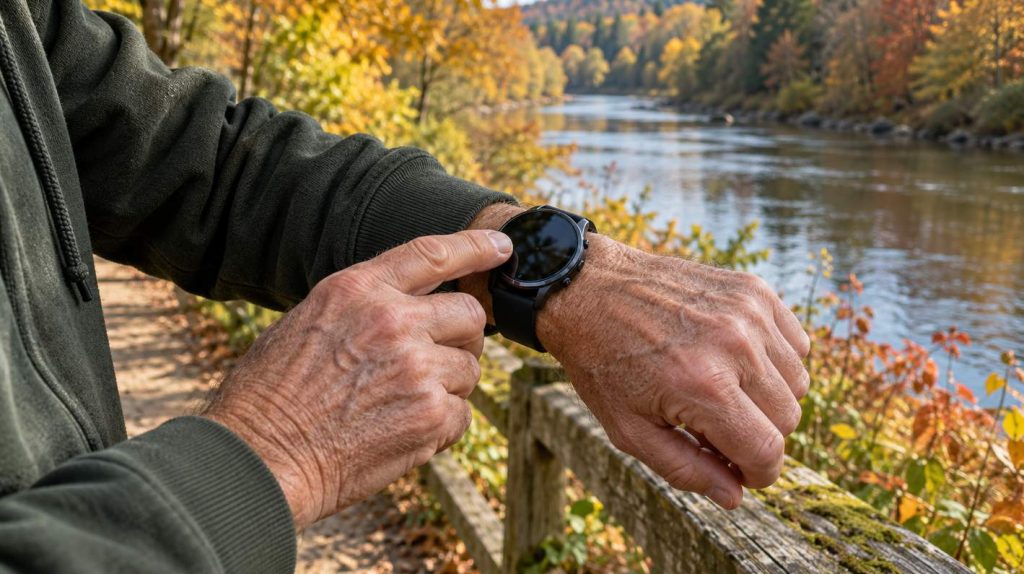
What Should Your Heart Rate Be When Walking After 50?
A walking heart rate range for healthy adults is an age-based estimate, not a personal limit. An effort check works without a monitor, and beta blockers can make the usual target unsuitable.
A walking heart rate range for healthy adults is an age-based estimate, not a personal limit. An effort check works without a monitor, and beta blockers can make the usual target unsuitable.

Average walking speeds for ages 50 to 99, converted into minutes per mile, with a way to time your own mile and read the result.
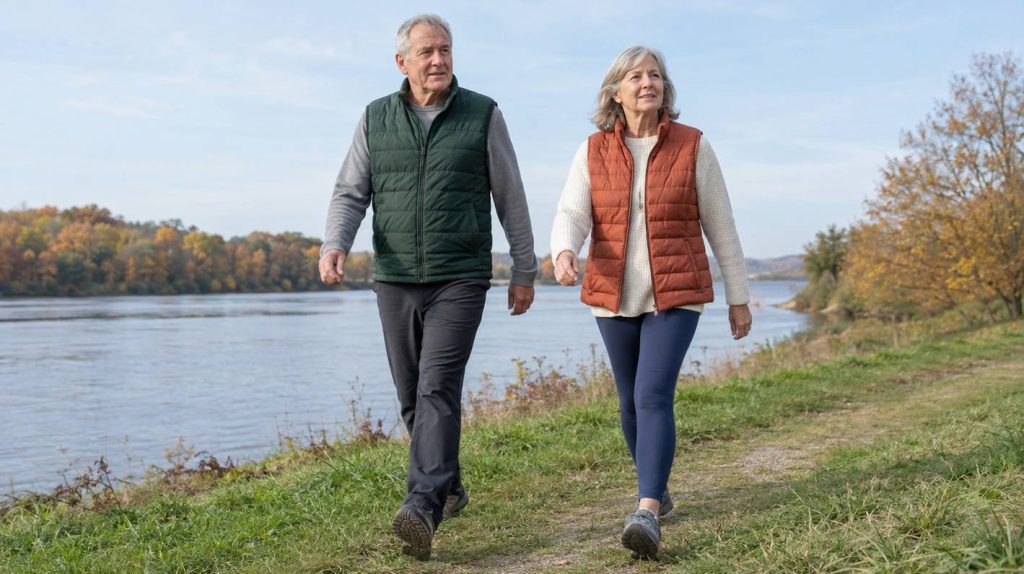
Three minutes brisk, three minutes easy, five rounds. The pattern was tested in a Japanese trial of 246 adults averaging 63, and it can be started gently.
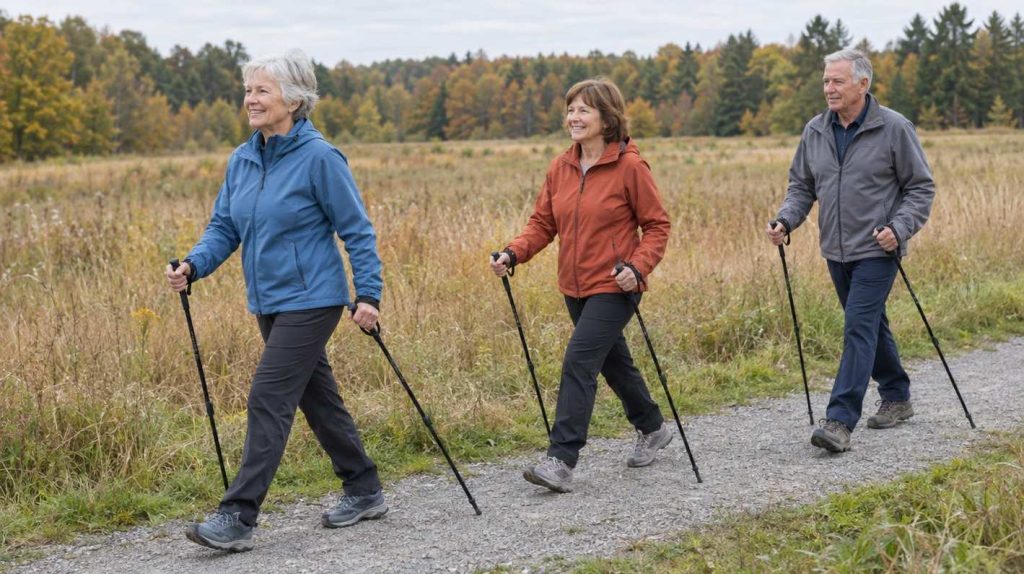
Nordic walking is ordinary walking with two poles pushed back behind you. A review of studies in adults aged 60 to 92 found gains in fitness, strength and balance while moving. Learn the pole length, the push and a gentle way to start.
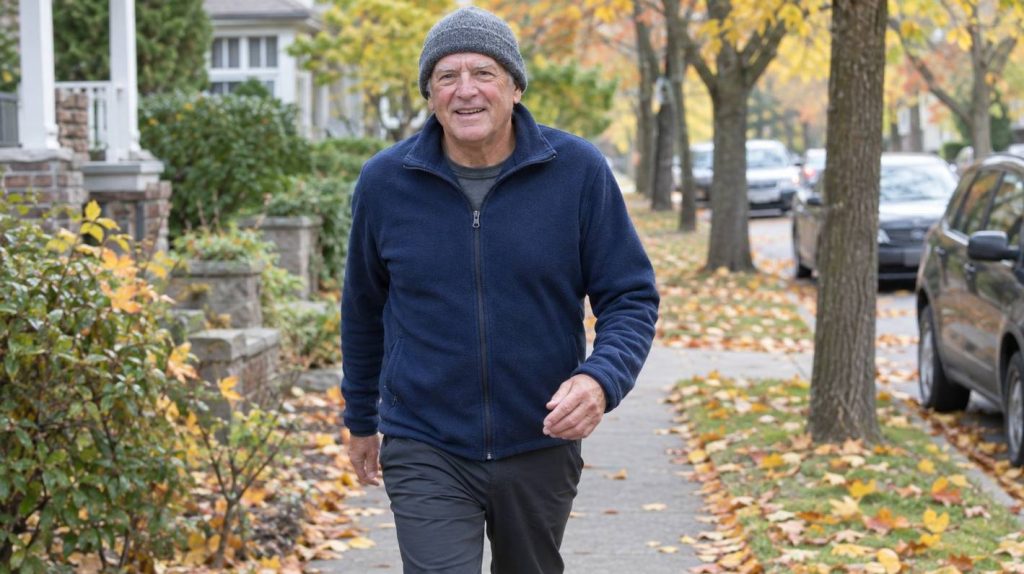
In a review of 73 trials, walking lowered the top blood pressure number by about 4 mmHg. See how much to walk, how long it takes, and when to see a doctor.
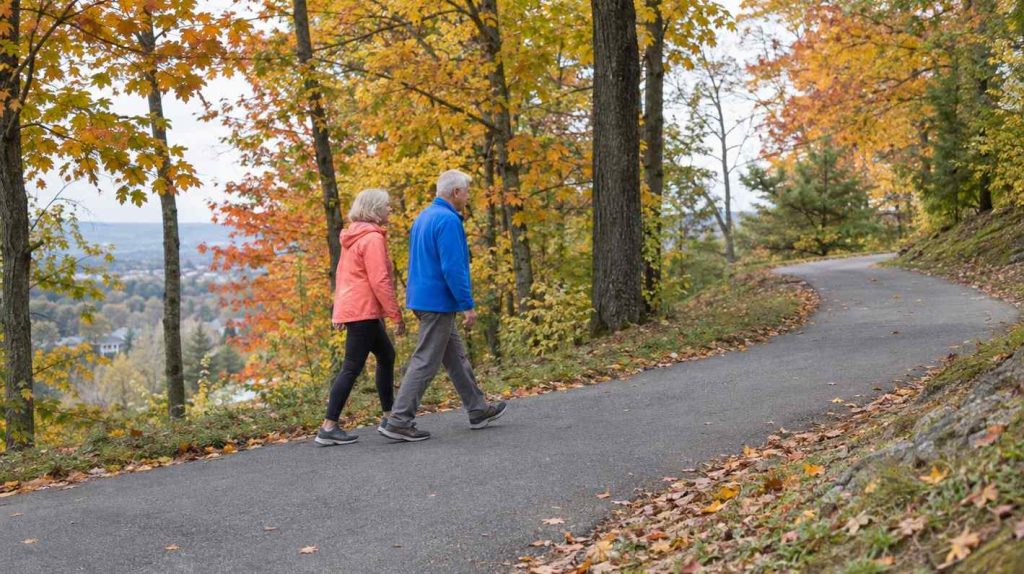
A 160 lb walker at 2.8 to 3.2 mph burns about 156 calories in 30 minutes, by older-adult research values. See the table by weight and pace.

When rain or ice cancels the outdoor walk, many malls open early for walkers. Here is how mall walking works, the other indoor options, and a simple week of indoor walks.
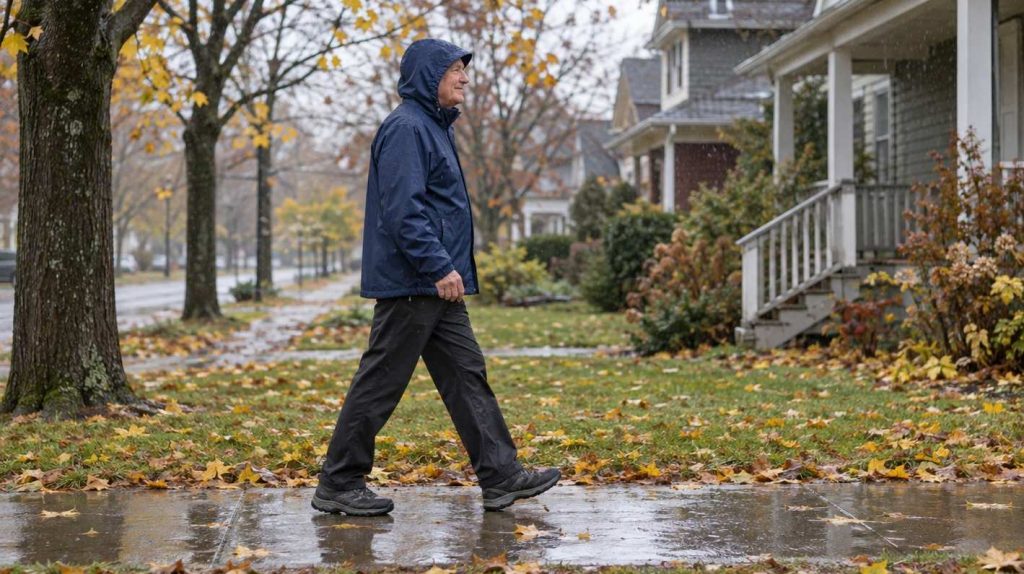
Most rain is fine for a walk. Thunder, flooded paths, wet leaves and a cold snap after rain are the exceptions. Here is how to tell, and how to keep your footing, stay visible and dry out afterwards.
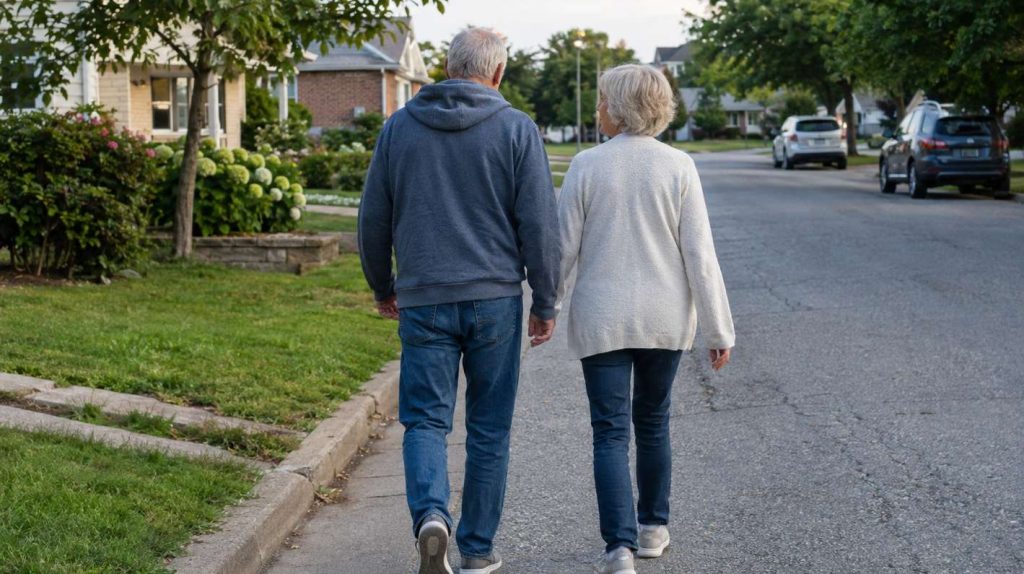
A gentle walk soon after eating makes the blood sugar rise from that meal smaller. In one trial, the same minutes did more after meals than in one daily walk.
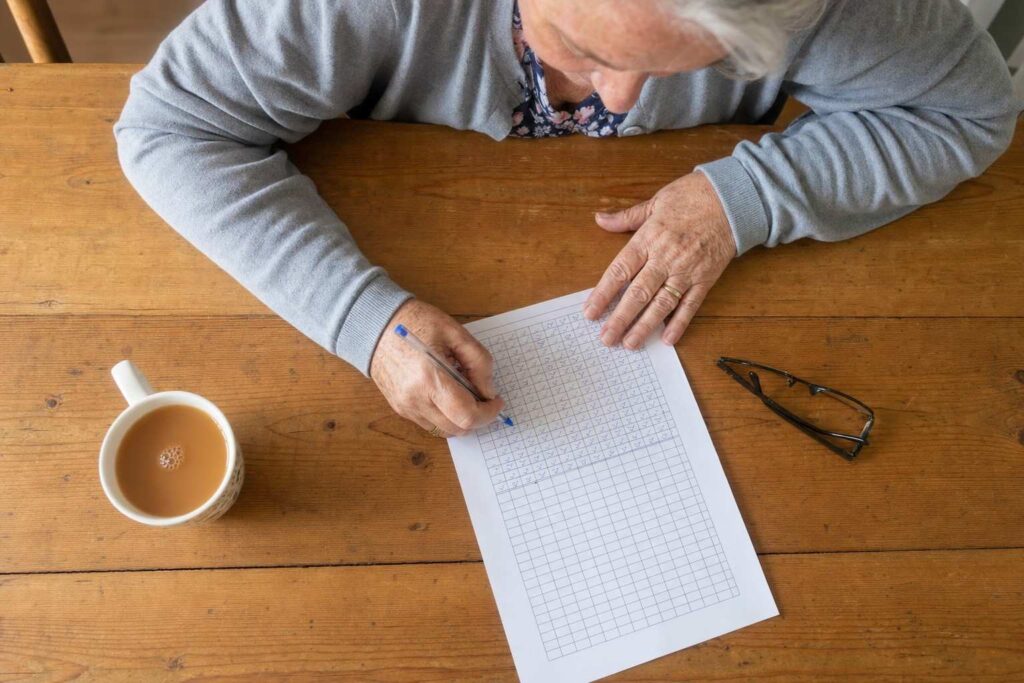
A simple printable tracker with a row for every walk in the 4-week plan. Log your minutes, how you felt, and anything worth remembering, then read the pattern back.