
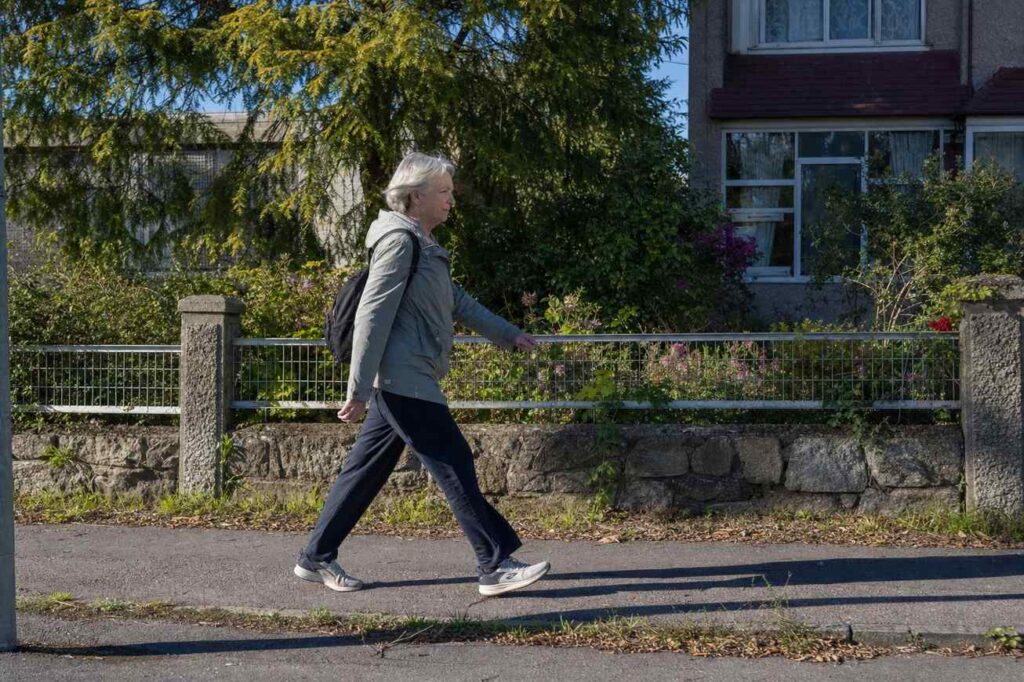
Your Walking Speed Is Telling You Something
Researchers can learn a lot about your health just by watching how fast you walk. Here is what the evidence shows, and how to gently work with your pace instead of against it.
Researchers can learn a lot about your health just by watching how fast you walk. Here is what the evidence shows, and how to gently work with your pace instead of against it.
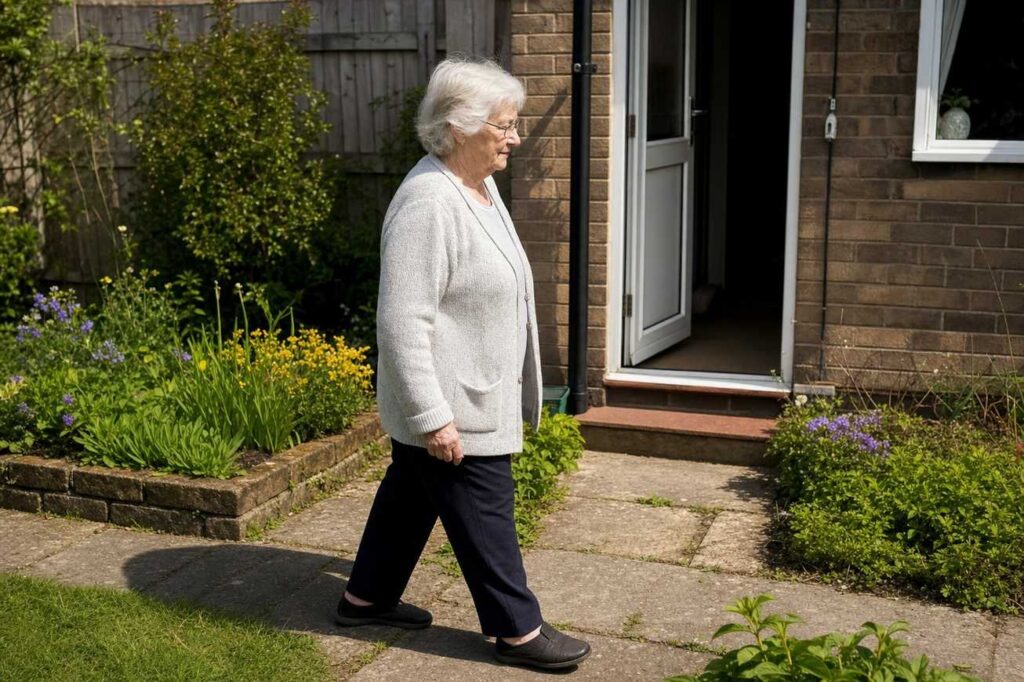
You can meet your step goal and still sit too long. Research now treats unbroken sitting as its own health risk, separate from exercise. The fix is smaller than you think.
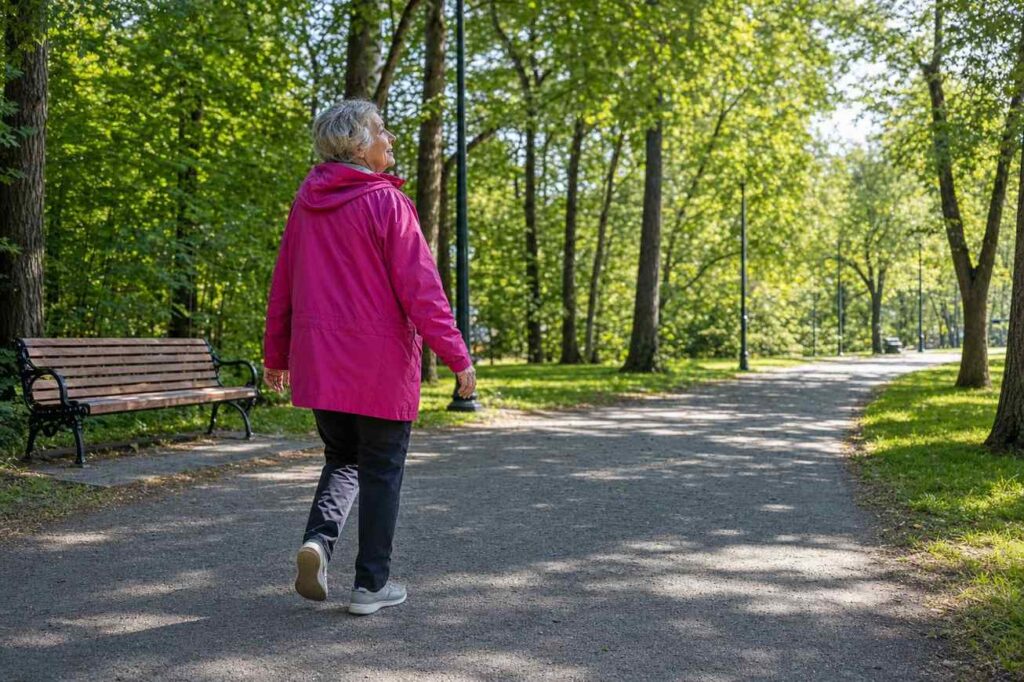
A daily walk may do more for your mind than for your waistline. Here is what the research actually shows about walking, memory, and the aging brain, and how much it takes.

Walking helps with weight loss, but modestly on its own. What the research shows, and how walking, strength work and food fit together after 50.

For adults 60 and older, the risk of dying kept falling up to about 6,000 to 8,000 steps a day, not 10,000. Here is what that means at 70 and how to build up.
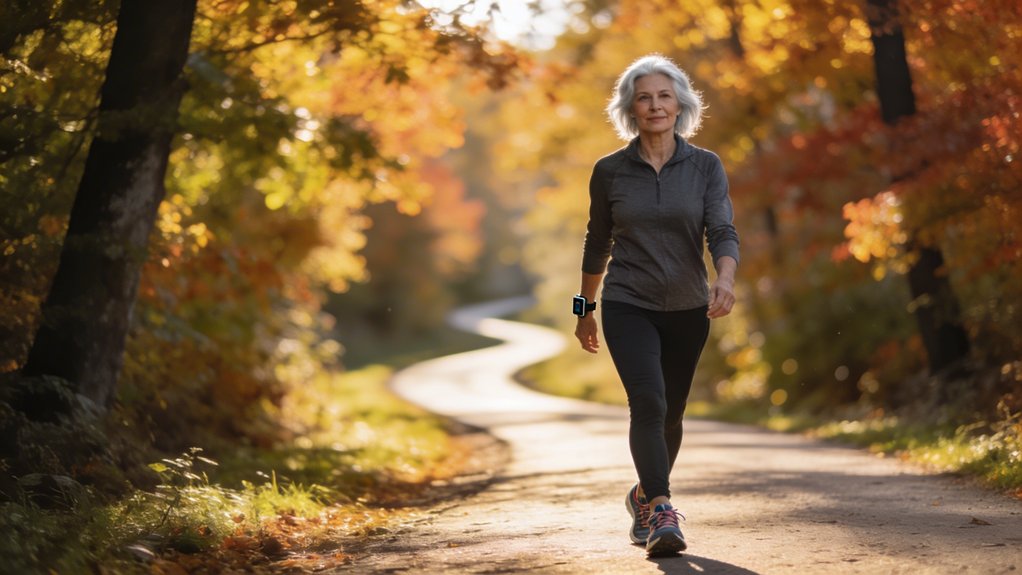
Research on adults 60 and older links more daily steps to lower risk up to about 6,000 to 8,000. Here is how to find your starting point and build up safely.

A four-week walking plan for beginners over 50: the minutes, the days per week, the pace, and when to repeat a week instead of moving on.
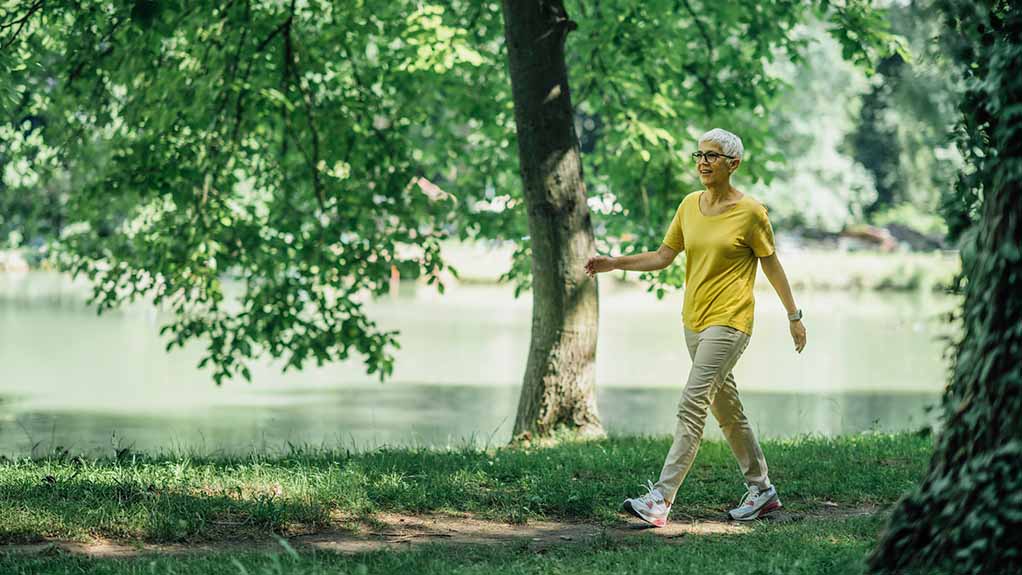
Daily walking is linked to lower risk of early death, high blood pressure and low mood. Here is what the research shows for adults over 50, and what it cannot prove.
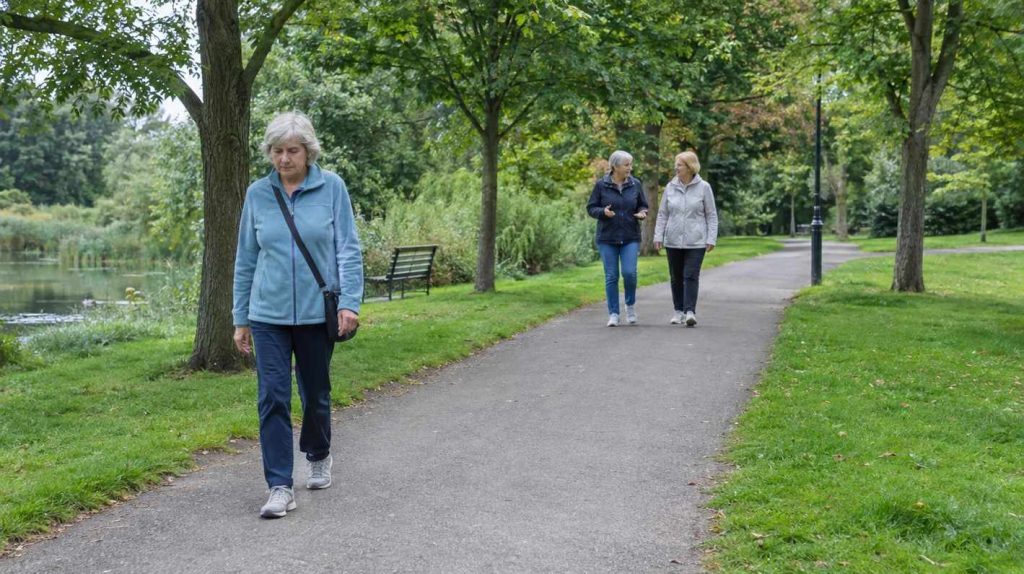
Some days you want a walk to yourself and some days you want company. Here is what each gives you, and how to pick.
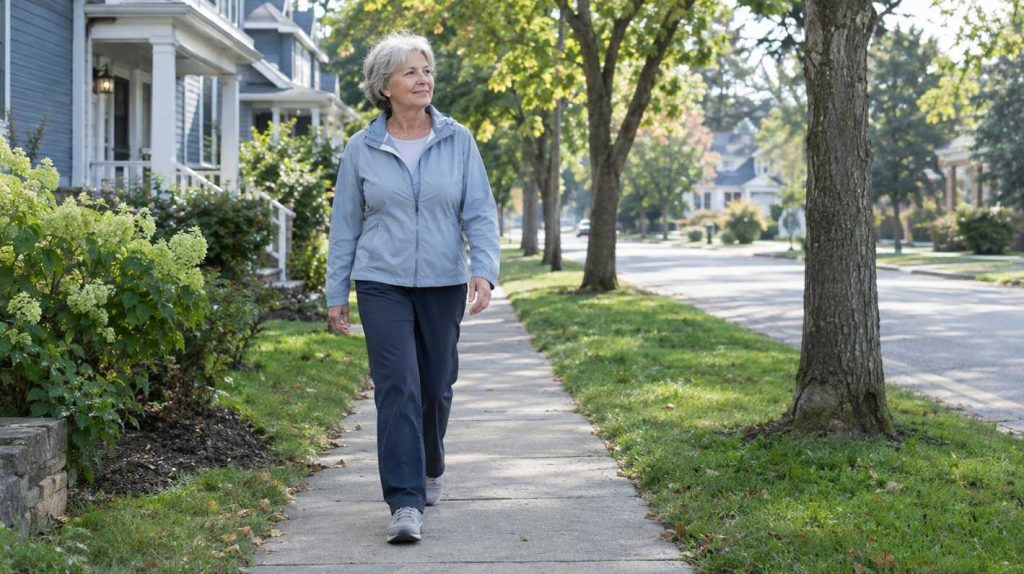
Morning or evening? What the research says about walk timing, sleep, blood sugar and medications after 50, and how to pick the time you will keep.