
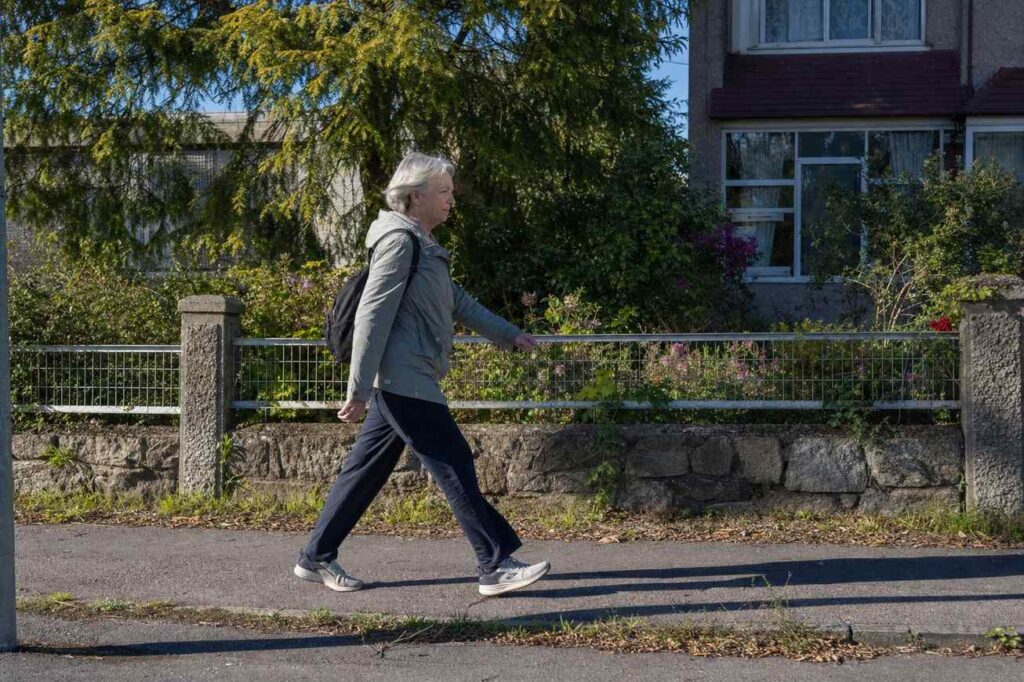
Researchers have a trick for learning about someone’s health. They just watch them walk.
Not for long, either. A few seconds down a hallway is often enough.
How fast you comfortably walk is itself a health signal, one clinicians and researchers take seriously. It is sometimes called a vital sign, right alongside blood pressure and pulse.
That can sound alarming. It is not meant to be.
Your pace today is information, not a verdict. And it turns out to be something you can gently work with.
What the Research Actually Found
The evidence behind this idea is substantial.
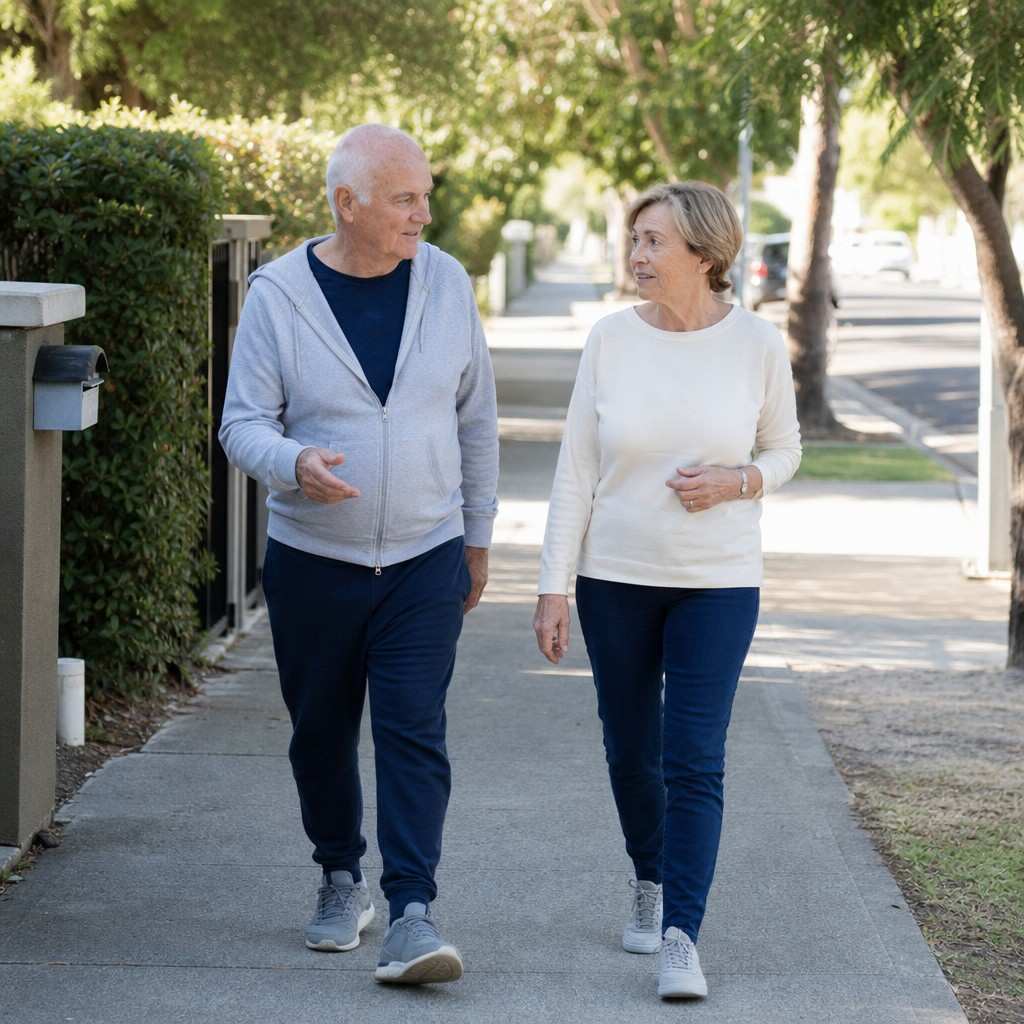
A large pooled analysis in the journal JAMA looked at data from 9 separate studies. Together they followed 34,485 community-dwelling adults aged 65 and older.
Gait speed was associated with survival across the whole range of speeds measured. Faster usual walking pace lined up with longer survival, and the pattern held consistently across the pooled group.
That is an association, not a guarantee for any one person. No single measurement decides an individual’s future.
But it is why physical therapists and researchers have described gait speed as one of the more useful simple measures of overall health in older adults. It shows up again and again in the research on healthy aging.
Your pace today is information, not a verdict.
Why Speed Reflects So Much
Walking looks simple. Underneath, it is not.
A comfortable walking pace depends on your heart and lungs delivering oxygen efficiently. It depends on leg muscles that still have power in them.
It also depends on balance and the nerves that coordinate each step. All of those systems have to work together, smoothly, just to carry you down a hallway at your usual clip.
When one of those systems weakens, pace is often the first thing to change. That is part of why researchers keep coming back to it.
A slower pace is not a diagnosis. It is more like a smoke alarm.
- It reflects heart and lung fitness.
- It reflects leg strength and muscle power.
- It reflects balance and nerve coordination.
None of this means a slow day equals a health problem. Pace can shift with fatigue, mood, footwear, or simply not being in a hurry.
What “Brisk” Actually Means at 65
Here is where a lot of walking advice gets too technical, with mph targets and stopwatches.
The simpler measure is effort, not speed on a device.
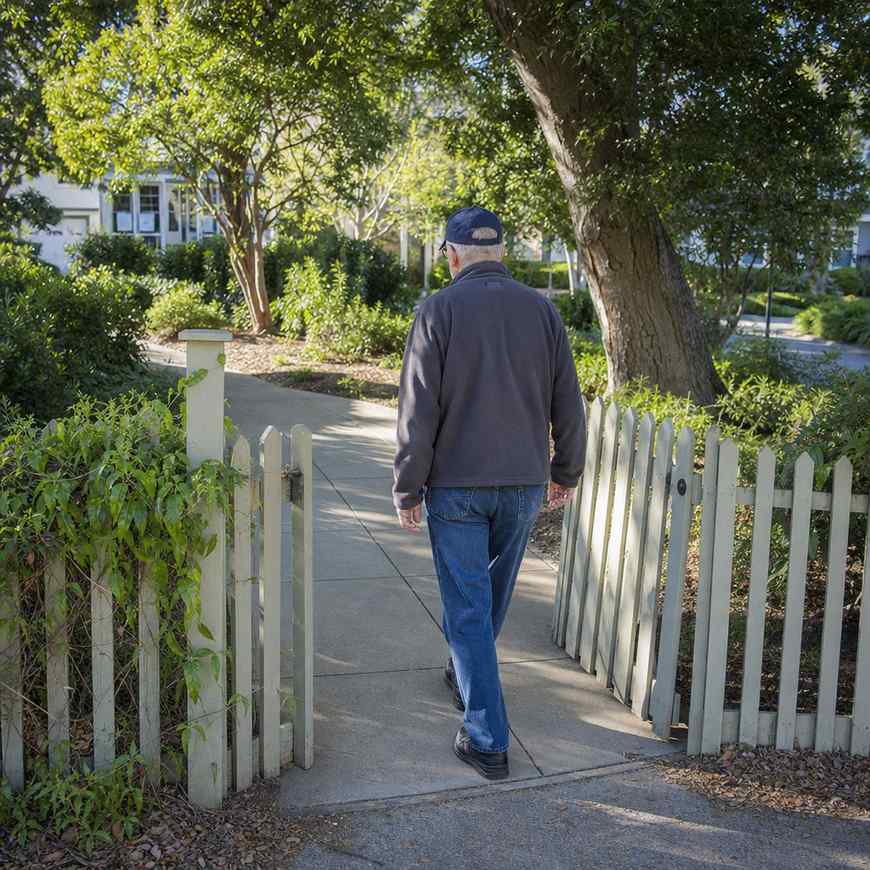
The CDC, the US federal public health agency, describes moderate-intensity activity, the kind a brisk walk provides, using a plain test. Can you talk, but not sing, while you do it?
If you can hold a conversation but couldn’t comfortably sing along to a song, you are in the moderate zone. That is the target for most weekly activity goals, brisk walking included.
You do not need a number. You need your own breath as the gauge.
- Can sing easily: your pace is light, not yet brisk.
- Can talk in full sentences, breathing a little harder: that is brisk.
- Can only manage a few words at a time: that is vigorous, not the target here.
This matters because pace is trainable through effort, not through forcing bigger strides or a faster stopwatch split.
How to Nudge Your Pace Safely
You do not need a new program to work on this. You need short, purposeful segments inside the walk you already take.
A few minutes of brisker effort inside your normal walk is plenty to start. This is not about walking faster all the time. It is about occasionally asking your body for a little more, on purpose.
Try this inside a walk you already do:
- Walk at your normal pace for most of it.
- For two or three minutes, pick up the effort to your talk-test brisk zone.
- Return to your normal pace to recover, then repeat once or twice more if it feels good.
Gradual beats heroic here, the same as with any new load on the body. Add a little effort, not a lot, and let your pace build over weeks rather than days.
If a joint hurts in a sharp or new way during any of this, that is a stop sign, not something to push through.
If your pace has dropped quickly for no clear reason, see your doctor.
Pair it with a simple self-check like standing up from a chair without using your hands. Together they give you two honest, low-effort readings on where you stand right now.
Your Pace Today Is a Starting Line
It is easy to hear “vital sign” and feel judged by a number.
That is the opposite of the point.
Your pace today is a starting line, not a verdict. It tells you where your systems stand together right now, and every one of those systems responds to use.
If counting your daily steps has been your main gauge, pace is a useful second dial to add, not a replacement. Knowing how many steps a day actually add up to something still matters.
So does the effort behind those steps.
Start with what you have. If you are easing back into regular walking at all, a plain beginner’s walking plan is the more patient place to begin than chasing a faster pace on day one.
Either way, the next walk out your door is still the one that counts.