
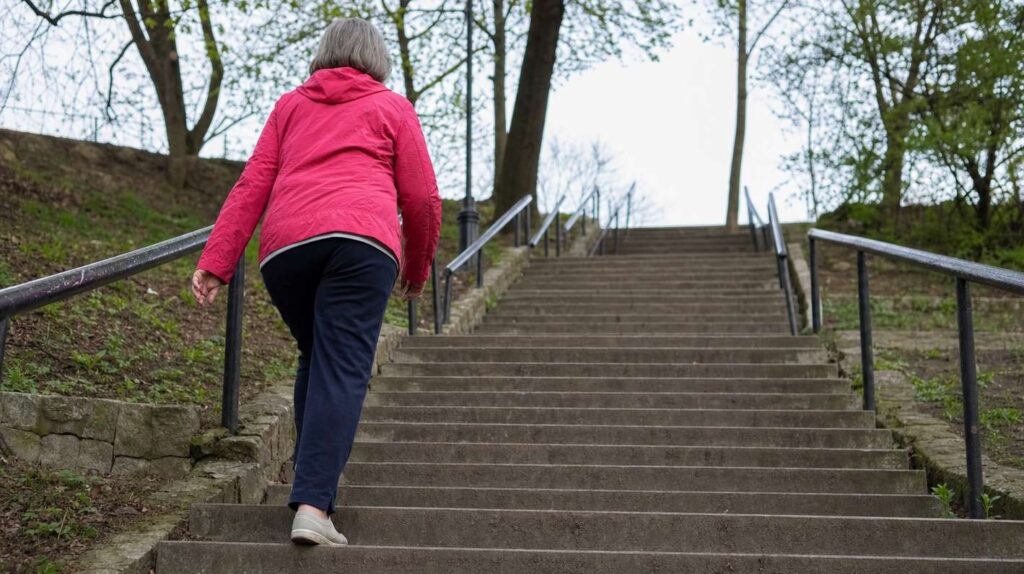
Across ten controlled trials, regular walking made no significant difference to bone density in the spine.
That finding surprises plenty of regular walkers.
You walk most days. Your knees are quieter, your mood is steadier, and your checkups go well.
Then a scan mentions bone loss, and the first thought is: “But I walk every single day.”
You did not waste those years. Walking is still among the best things you can do for a body over 50.
But bone density is the one thing walking has not been shown to protect on its own.
Here is what the research found, bone by bone, and what to add.
What Weight-Bearing Actually Means
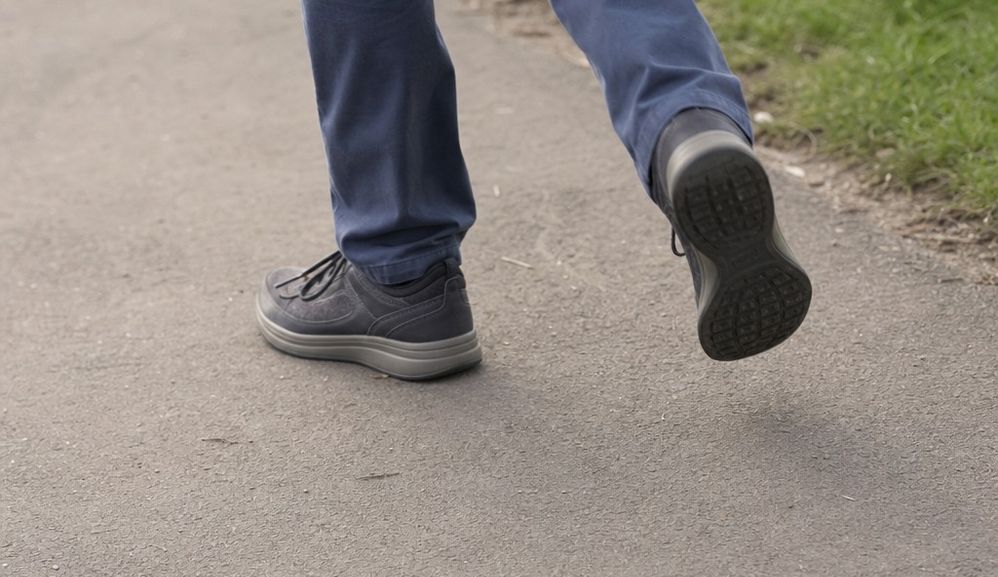
Bone is living tissue. It responds to the loads you place on it, slowly, over months.
The National Institute of Arthritis and Musculoskeletal and Skin Diseases (NIAMS), part of the National Institutes of Health, keeps a plain list of weight-bearing exercises.
Brisk walking at 3 to 4 miles per hour is on it, alongside jogging, climbing stairs, and dancing.
So the label is accurate: walking is weight-bearing. The catch is how much bearing.
A walk loads your hips and legs with every step. But it is the same modest load, repeated thousands of times.
Bone rebuilds where you load it, and big challenges build more than small ones.
What the Walking Trials Found
The clearest evidence comes from a 2013 meta-analysis in the journal Menopause.
A meta-analysis pools many small trials into one bigger, steadier result.
Researchers pooled ten controlled trials of walking programs, all of them in women around menopause.
If that is not you, the pattern of some bones responding and others not is still the part worth keeping.
The spine result is the one that matters most.
Pooled across ten trials, walking left bone density in the lumbar spine, the lower back, statistically unchanged, whatever the program’s duration.
The femoral neck, the top of the thigh bone, is where hip fractures actually happen.
At the spine, walking alone has not been shown to preserve bone density.
The hip told a slightly better story.
The femoral neck, the top of the thigh bone, is where hip fractures actually happen.
In trials where the walking program ran six months to two years, bone density there rose. Pooled across every trial, though, the improvement fell short of statistical significance.
No significant effect is not the same as no effect. It means the evidence is not strong enough to claim one.
Treat the hip as a maybe: promising in the longer programs, unproven overall.
The whole meta-analysis in three lines:
- Lumbar spine: no significant change, however long the walking program ran.
- Femoral neck: gains in longer programs, not significant once every trial was pooled.
- Practical read: keep walking, but do not ask it to carry bone health alone.
No significant effect is not the same as no effect. It means the evidence is not strong enough to claim one.
What Actually Moves Bone Density
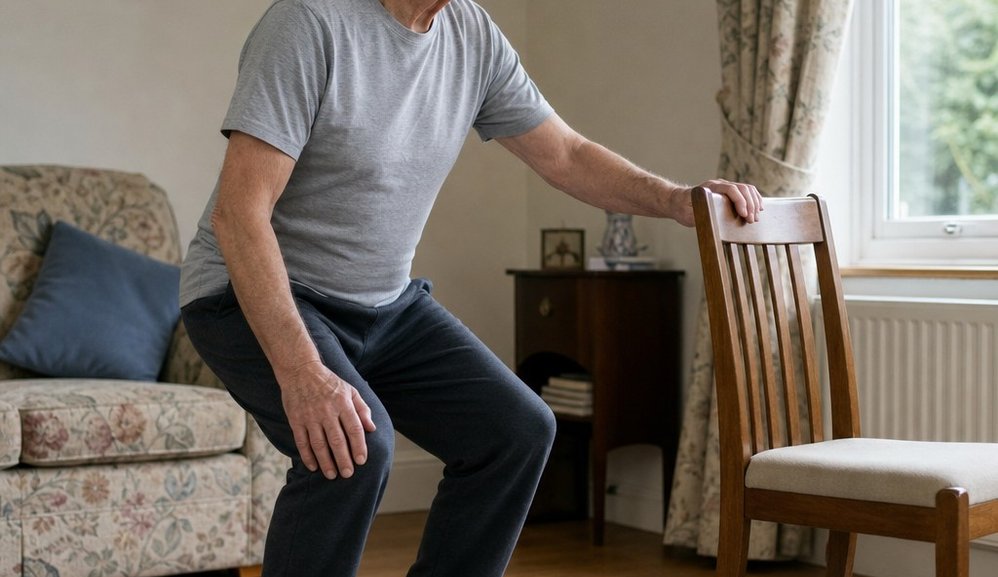
So if walking alone is not the whole answer, what is?
A 2026 review in the Journal of Sport and Health Science pooled 74 randomized trials and 5,331 participants, comparing exercise types over 24 weeks.
Combining types won. Mind-body exercise paired with resistance training ranked most effective at the lumbar spine, the femoral neck, and total body.
Single types, aerobic exercise included, helped some sites and not others. That is the same pattern the walking trials showed.
NIAMS groups bone exercise the same way and recommends combining weight-bearing work, resistance training, and balance practice.
The lesson is not walk more. It is walk, plus load the skeleton in other ways.
How to Add Load Without Giving Up Walking
Here is the practical version, and none of it needs new gear or a gym.
- Take the hill route once a week. Slopes ask more of your hips and legs than level pavement does.
- Work in a flight of stairs you already pass. Stair climbing is on the NIAMS weight-bearing list too.
- Add simple resistance work twice a week. Resistance training builds bone differently than weight-bearing work does, which is why NIAMS treats it as its own category.
For slopes, start with our guide to walking uphill for beginners.
The strength half is its own skill, and our strength routine for walkers over 50 is the place to begin.
When any of this is new, keep the first two weeks deliberately easy.
Sharp, new, or one-sided pain means stop, not push through.
Think in Years, Not Months
The 2026 review found one more pattern worth your attention.
Programs lasting 52 weeks or more produced more consistent, sustained improvement than anything shorter. Bone simply remodels slowly.
A single early scan is not a verdict on your new routine.
That timescale is freeing. You do not need to be heroic this month, just still walking and still strength training next winter.
Rest days count too: bone rebuilds on them as much as muscle does.
A single early scan is not a verdict on your new routine.
Set your expectations on a one-year clock, because that is where the evidence lives.
If a Scan Has Already Given You a Diagnosis
If the words osteopenia or osteoporosis are already in your chart, read this part twice.
Some movements and loads are genuinely unsafe with diagnosed bone loss, and the list differs from person to person.
A physical therapist who has read your scan knows which ones apply to you. Have that conversation before adding hills, stairs, or weights.
With a diagnosis, added load is a decision to make with your doctor, not alone.
If a scan has shown osteoporosis, ask your doctor which of these walks suit you. Nothing here replaces a bone density scan or the person who orders one.
The Honest Checklist
So, does walking build bone density? Partly, at some sites, and not on its own.
- Keep walking. It serves your heart, your joints, your mood, and your muscles, whatever the bone scans say.
- Stop expecting it to protect your spine alone. Ten trials say that is not a job walking has been shown to do.
- Add hills or stairs so your skeleton feels something besides level ground.
- Add resistance work twice a week. In the head-to-head evidence, combined programs beat single ones.
- Judge progress in years. The consistent results came from programs of 52 weeks or more.
Bone was never the whole case for walking anyway. The case for walking as your main exercise after 50 stands on plenty of other evidence.
Keep walking. Then add something that asks a little more of your bones.