
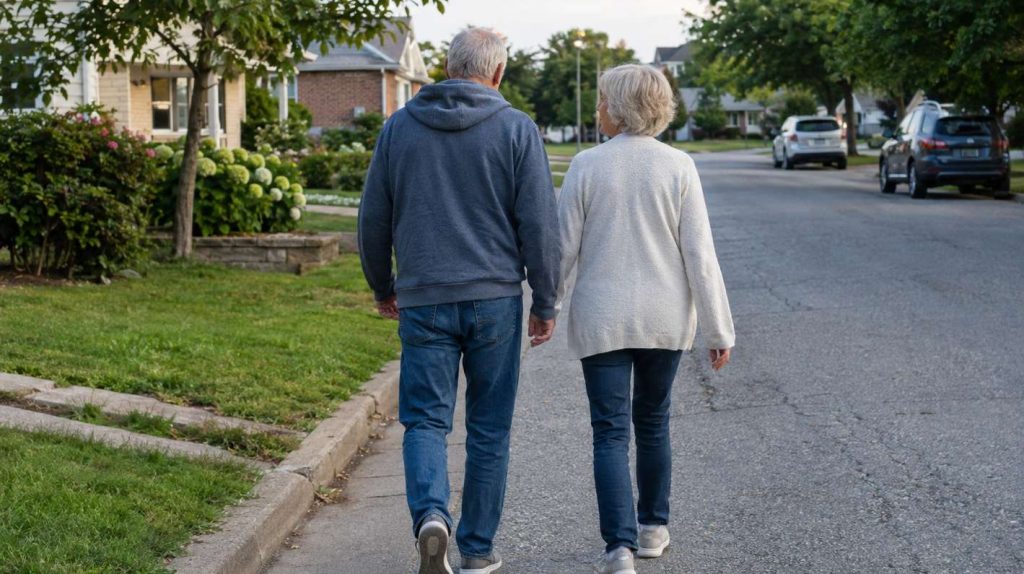
Yes, if blood sugar is part of the reason you walk.
A short, easy walk soon after a meal lowers the rise in blood sugar that follows it. You do not need to walk farther or faster to get that effect.
It is mostly a question of when.
That matters most if a checkup has said your blood sugar is creeping up, or if you already live with type 2 diabetes. And it uses a walk you may already take.
What a meal does to your blood sugar
After you eat, sugar from the meal moves into your blood over the next few hours.
Working muscles take sugar out of the blood and burn it as fuel. A walk during that rise gives the sugar somewhere to go.
The walk works best while that sugar is still arriving. That is why the timing matters as much as the walk itself.
What the trials found
The clearest test comes from the University of Otago in Dunedin, New Zealand. In a 2016 trial there, 41 adults with type 2 diabetes tried two ways of walking. Their average age was 60.
- For two weeks, they walked 30 minutes once a day.
- For another two weeks, they walked 10 minutes after each main meal.
Same total time. Different timing.
Walking after meals won: blood sugar ran about 12 percent lower in the three hours after eating.
The biggest gap came after the evening meal, at about 22 percent. That was the meal with the most carbohydrate, followed by the most sitting.
A second line of evidence looks at ordinary sitting. A 2022 review from the University of Limerick in Ireland pooled seven short trials. In each, adults sat for hours, broke the sitting by standing, or broke it with light walking.
Compared with sitting straight through, light walking breaks cut the blood sugar rise after meals by about 17 percent. Standing breaks managed about 9.5 percent.
Same total time. Different timing.
Two honest limits. The Otago trial ran for two weeks per plan, and the review’s trials lasted a single day each. They show what happens in the hours after a meal, not what happens to your health over years.
How long, and how soon
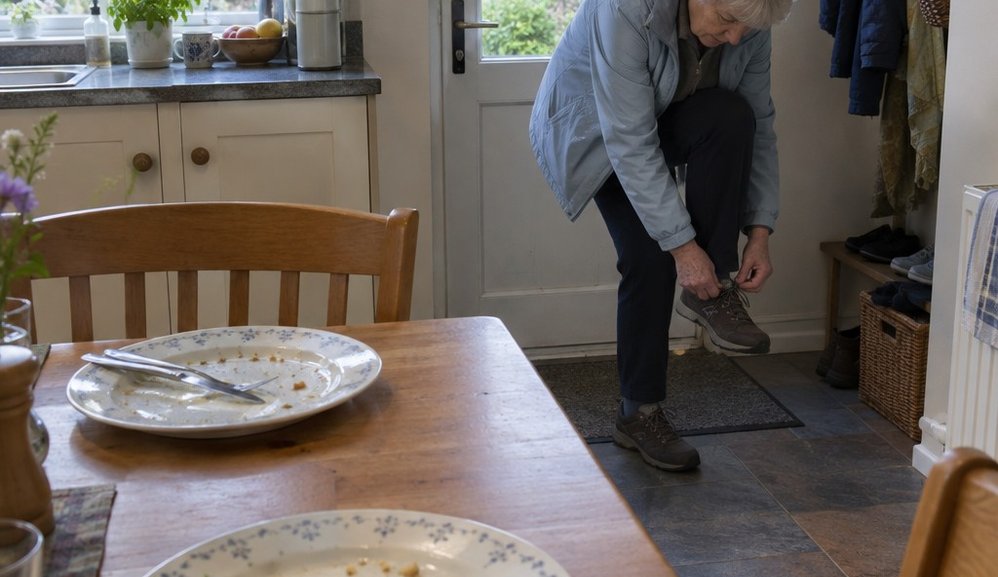
The Otago plan was simple: 10 minutes of walking after each main meal. The review’s breaks were shorter still, a few minutes at a time, such as 2 minutes every 20 minutes in one trial.
Neither study names an exact start time. “After the meal” is the whole instruction, so leave the table and go.
The after-meal walk, in practice:
- Aim for about 10 minutes, the amount the Otago trial tested.
- Keep the pace easy. The review found light walking enough.
- If you can manage only one, make it the walk after dinner.
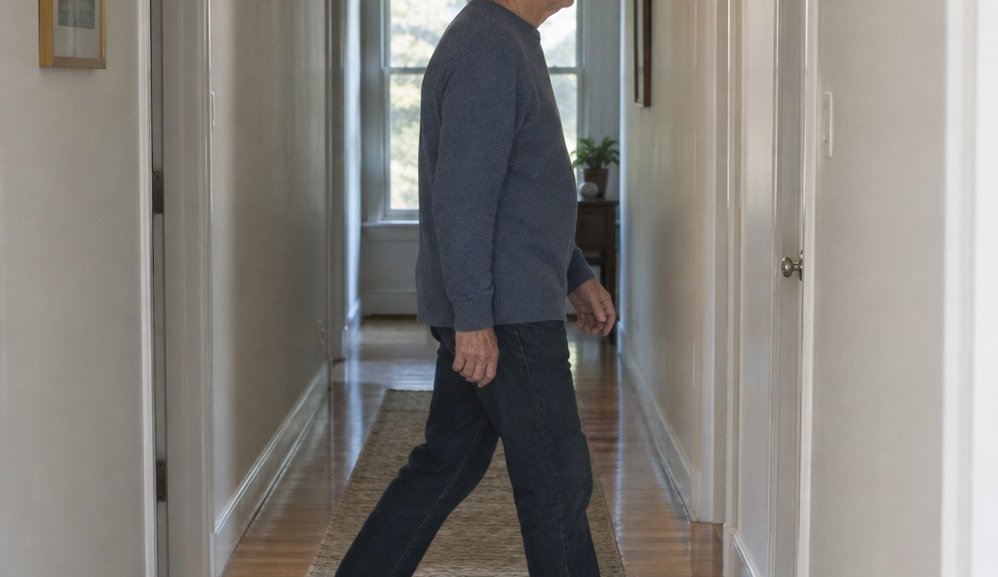
- Indoors counts. Laps of a hallway or a few loops around the kitchen still move your leg muscles.
You know the moment. The plates are still on the table and the sofa is right there. That is exactly when the walk does the most.
If you already walk every morning
Keep the morning walk. It still does everything else walking does for your heart, joints and mood.
The Otago trial kept the total minutes equal and changed only the timing. It did not test extra walks added on top of a routine.
So there are two easy options:
- Move 10 minutes of your usual walk to after dinner.
- Or keep the morning walk as it is and add a short stroll after your largest meal.
Either way, the change is about timing, not effort.
It also shortens the long evening stretch on the sofa. A single daily walk does not undo those hours, which is the idea behind breaking up long stretches of sitting.
When to check with your doctor first
If you take insulin or another medicine that lowers blood sugar, extra activity after meals can change your readings. Talk to your doctor or diabetes educator before you change when you exercise.
Stop and call your doctor if you feel dizzy, faint, or short of breath in a way that is new to you.
A few things you do not need:
- A glucose monitor. The walk helps whether or not you measure it.
- New shoes or gear. The shoes by the door are fine for 10 minutes.
- A faster pace. Light walking was what the review tested.
If a walk straight after eating gives you a side stitch or heartburn, wait a few minutes and keep the pace gentle.
If your main goal is losing weight, that is a different question. The piece on walking for weight loss after 50 answers it.
In winter, the after-dinner walk can move indoors or onto a well-lit street. The advice on walking when it is cold covers the rest.
Tonight, after dinner, set a timer for 10 minutes and walk before you clear the table.