
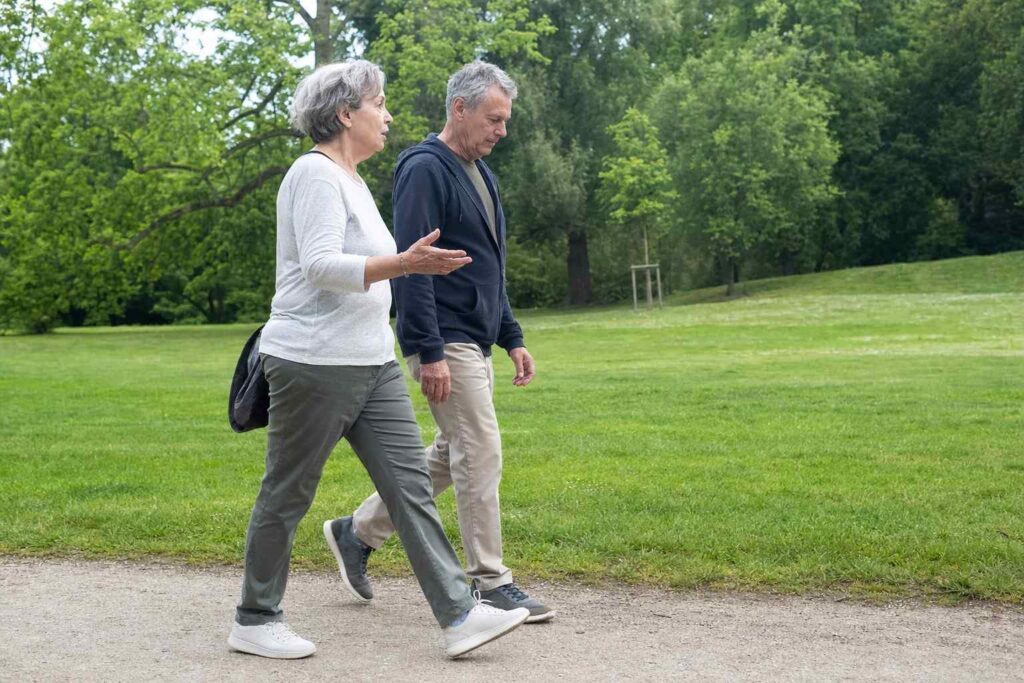
Arthritis does not mean you have to stop walking.
Usually the opposite is true. Gentle, regular walking is one of the most recommended things you can do for sore joints. It eases stiffness, keeps the joint moving, and builds the muscle that supports it.
The trick is not to push through pain.
It is to change how you walk.
A handful of small adjustments can be the difference between aching for two days afterward and walking comfortably for years to come.
Walking is one of the most widely recommended exercises for arthritis, because it keeps joints mobile without the pounding of higher-impact activity.
Adjust How You Walk
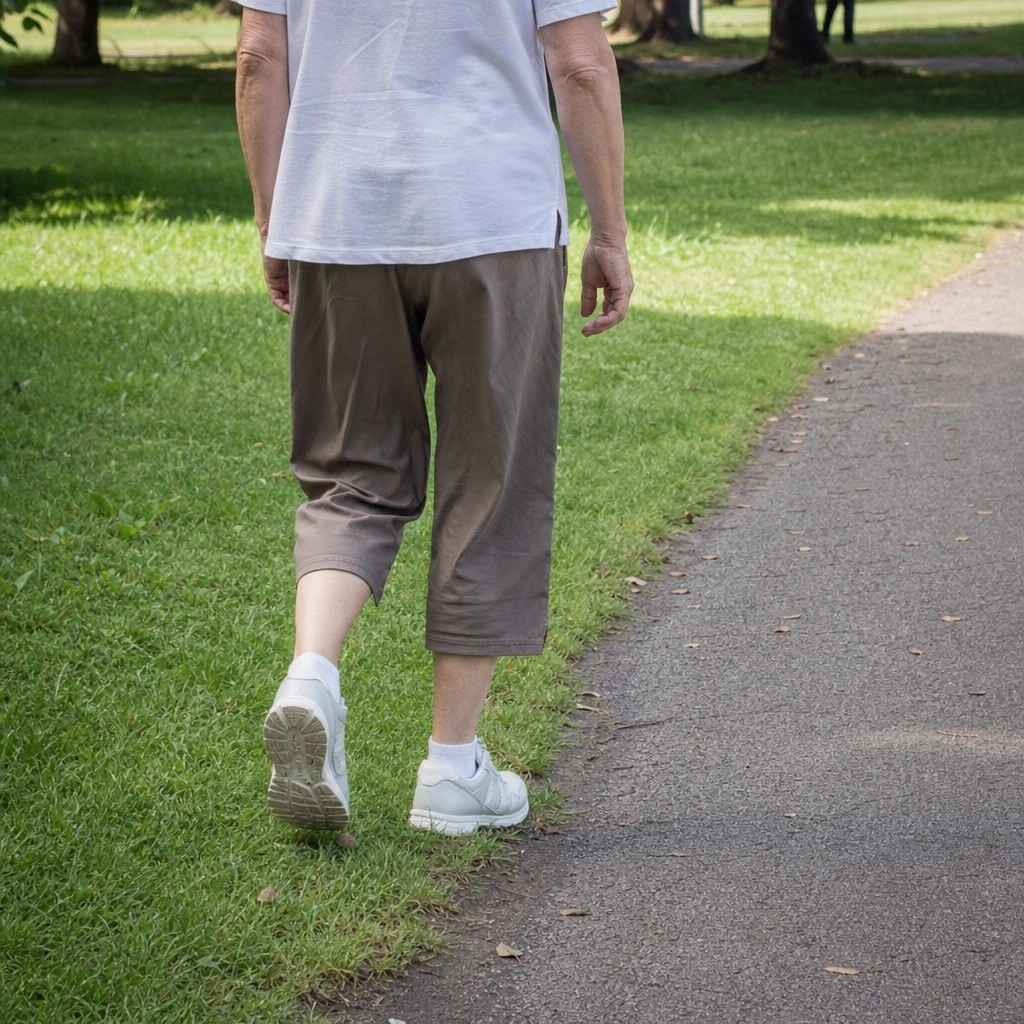
Small changes to your stride take a surprising amount of load off a sore joint.
- Shorten your steps and slow down. A gentler pace cuts the impact each step sends through the knee or hip.
- Mind your foot angle. Turning the foot slightly can reduce the load on an arthritic knee. A physical therapist can show you the right angle for you.
- Walk tall. Good posture spreads the work across more muscles instead of dumping it on one joint.
Cushion the Impact
What is under your feet matters as much as how you move.
- Walk on forgiving surfaces. Grass, packed dirt, or a running track are kinder to joints than concrete, as walking surfaces explains.
- Wear cushioned, supportive shoes. The right pair absorbs shock before it reaches the joint. Our walking shoes for women over 60 shows what to look for.
- Dress warm. Stiff joints loosen faster when they are warm, so what to wear for walking makes a real difference on cold mornings.
Lean on a Little Support
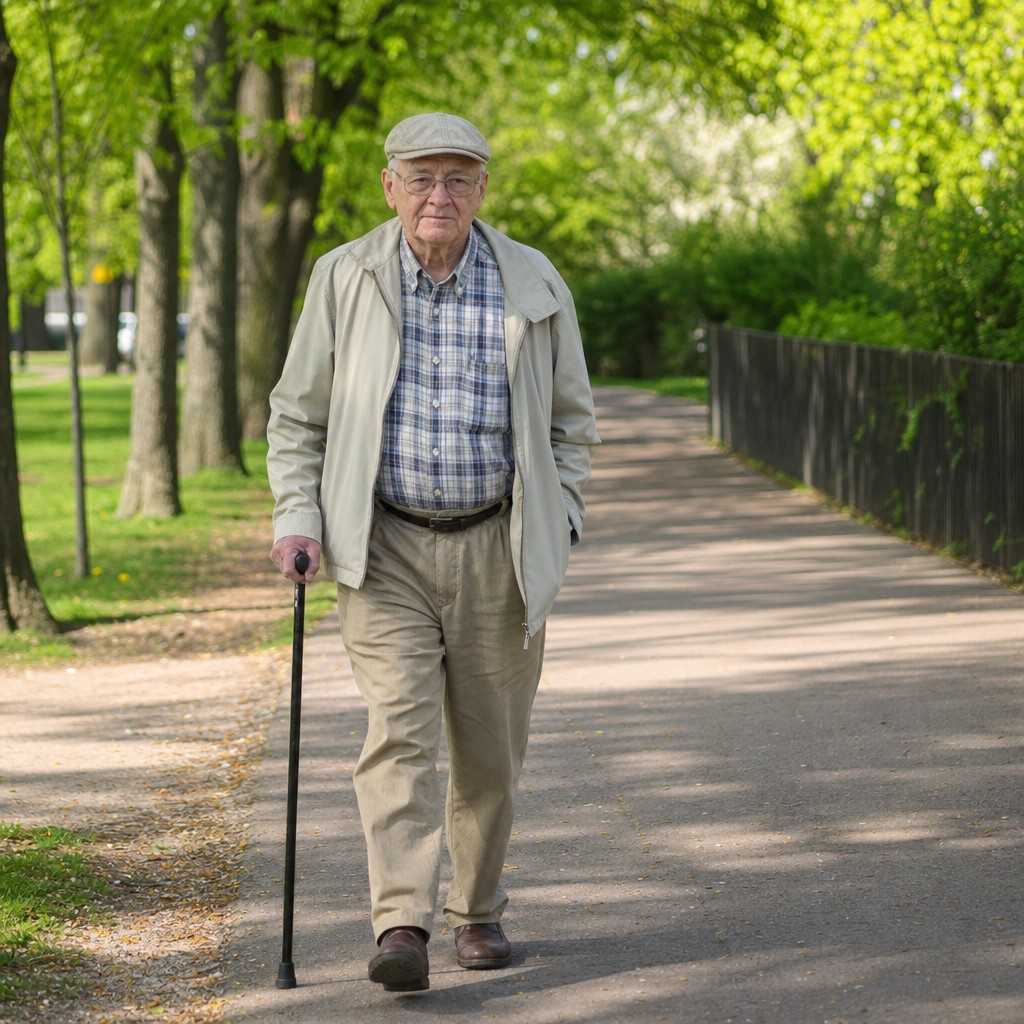
There is no weakness in using support. It keeps you walking.
- A walking pole or cane adds stability and takes weight off the painful side. If you are unsure whether you need poles, here is how to decide.
- A knee brace has mixed evidence behind it. A 2019 osteoarthritis guideline strongly recommends a brace when the arthritis is in the main knee joint, and only conditionally recommends one for arthritis behind the kneecap. The guideline comes from the American College of Rheumatology, the US professional body for arthritis doctors, and the Arthritis Foundation, a US patient charity. A 2015 Cochrane review, from the international network that pools medical trials, rated the brace evidence as low quality. The one trial it could use comparing a brace with no treatment found no difference in pain or function after 12 months. Our knee braces guide covers the options.
Have any cane or brace fitted properly. A doctor or physical therapist can help you get it right.
Walk Smarter, Not Harder
- Take shorter walks, more often. Three ten-minute walks can be gentler than one long one.
- Rest when you need to. A bench is a tool, not a defeat.
- Vary your route. Different ground spreads the stress across different joints over the week.
- Keep a simple log. Noting which walks left you sore helps you spot what to avoid.
Keep Going Through Flare-Ups
Flare-ups happen. The instinct is to stop completely, but total rest often makes stiffness worse.
On a bad day, shorten the walk rather than skipping it. Even a slow lap around the block keeps the joint moving.
A hot, swollen, or sharply painful joint is different. Rest it, and check with your doctor.
Movement helps arthritis, but pain that is sharp, hot, or new is a signal to stop and ask for advice.
Company helps too. A friend who understands keeps the pace honest and the walk pleasant.
A Quick Recap
To keep walking comfortably with arthritis:
- Move gently: shorter steps, slower pace, good posture.
- Cushion it: soft surfaces, supportive shoes.
- Get support: poles, a cane, or a brace, fitted properly.
- Pace it: short frequent walks, rest, varied routes.
- Stay consistent: keep moving through mild flares, rest the bad ones.
None of this replaces your doctor’s advice. But for most people the goal is realistic: not a pain-free joint, but a body that keeps walking.