
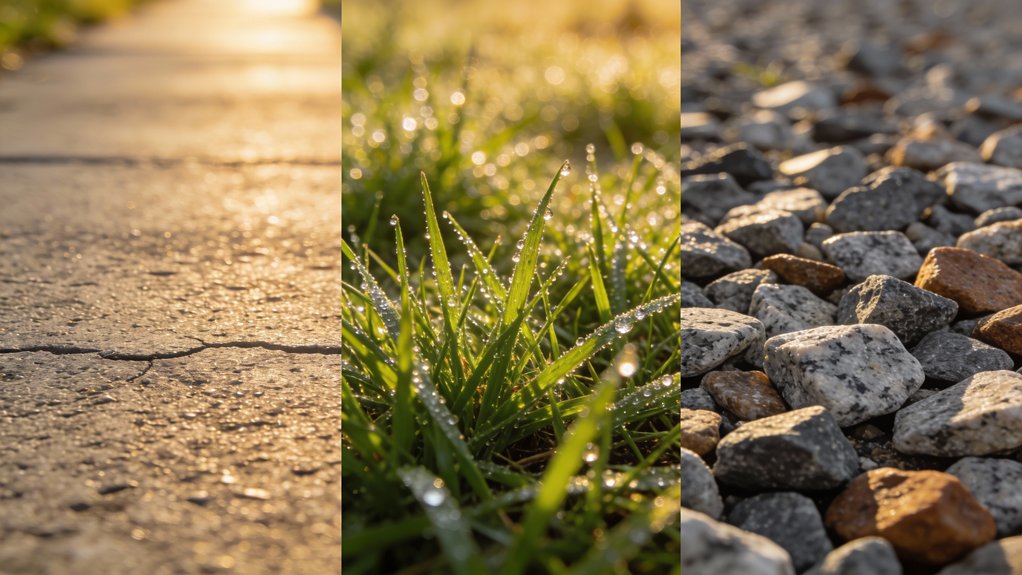
Gravel, Grass, or Pavement: Best Walking Surfaces
Grass and packed trails feel softer underfoot, but uneven ground asks more of your balance. How to choose between pavement, grass and gravel after 50, and when to mix them.

Grass and packed trails feel softer underfoot, but uneven ground asks more of your balance. How to choose between pavement, grass and gravel after 50, and when to mix them.
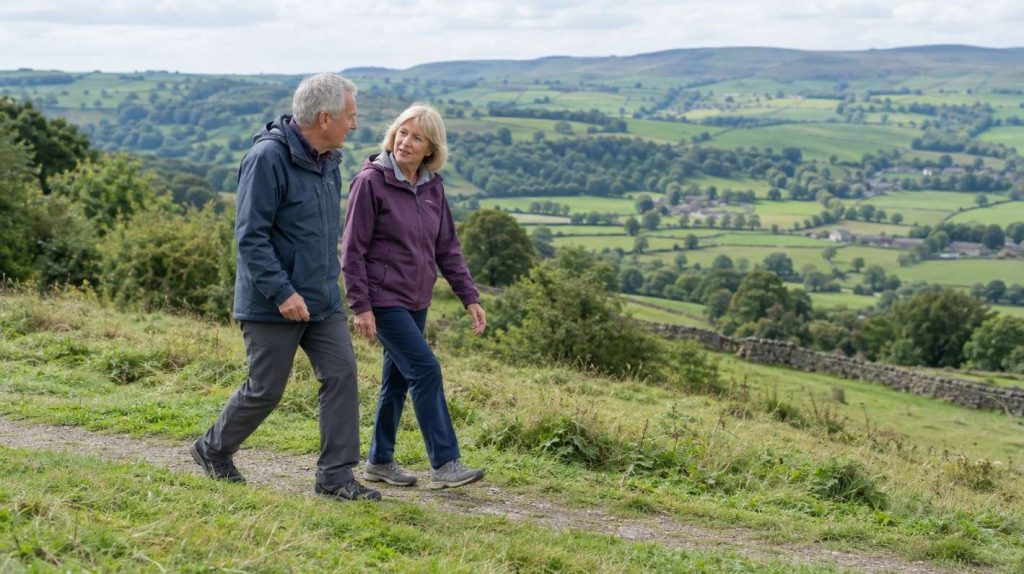
Hills feel hard because they are hard work. Shorter steps, a slower pace and a slight lean make the climb manageable, and poles take strain off your knees on the way down.
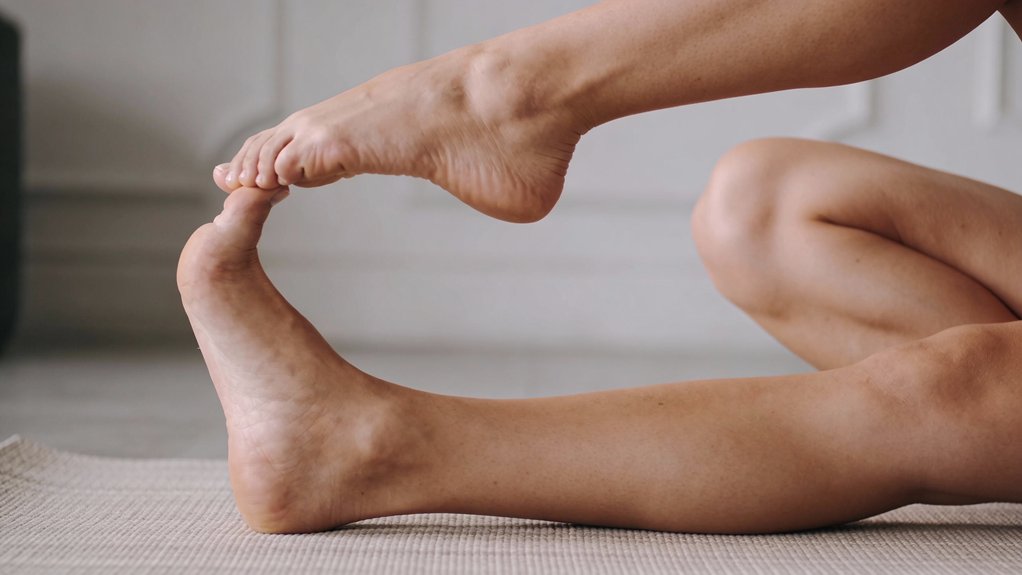
Ankle and knee exercises for walkers: calf raises, tib raises, banded ankle work and balance moves, plus which to skip when a joint hurts.
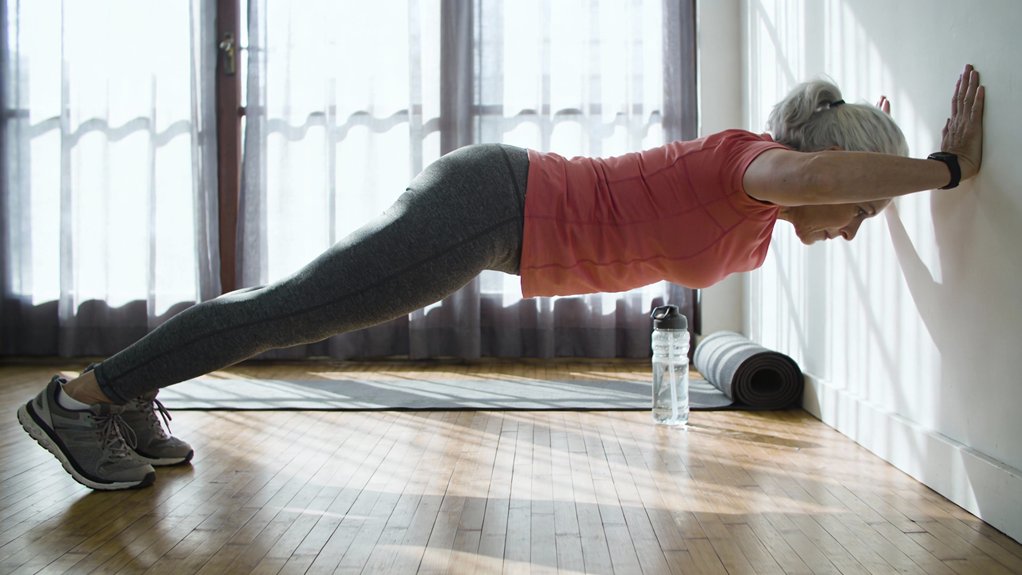
Eight strength moves for glutes, core, ankles and calves, about 10 minutes, three days a week, plus two hip stretches done daily on the side.
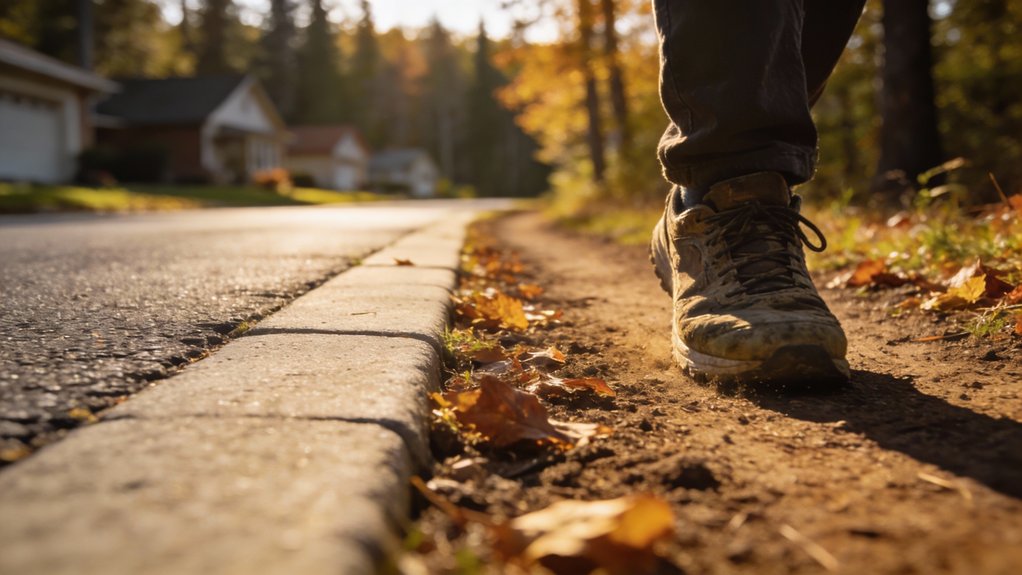
Move from sidewalks to easy trails: a six-week plan, how to find beginner trails, what to bring, and three safety steps before you go.
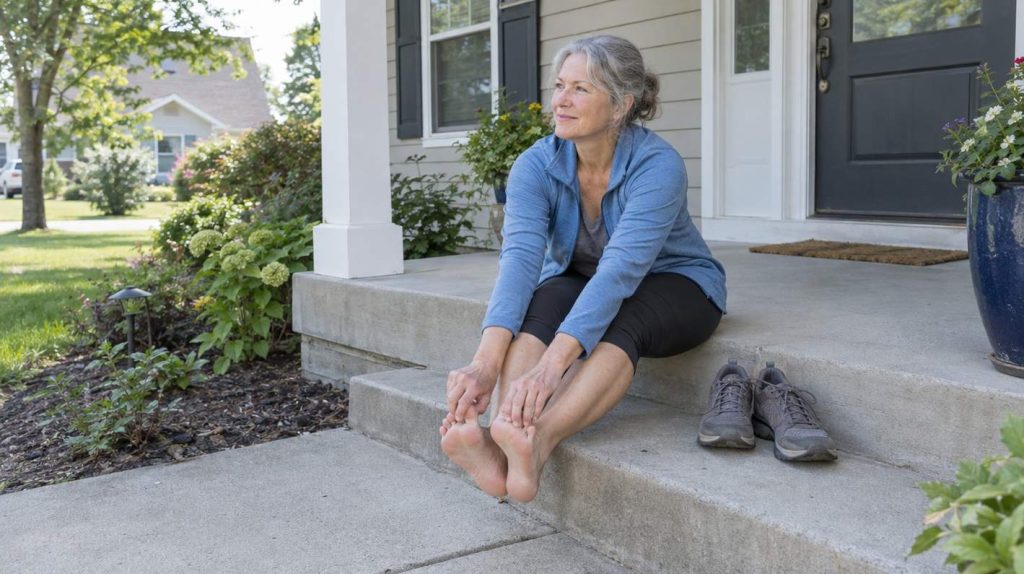
Heavy legs, joint pain that lingers, dreading your walks and feeling run down can mean you are doing too much. Here is how to cut back and rebuild.
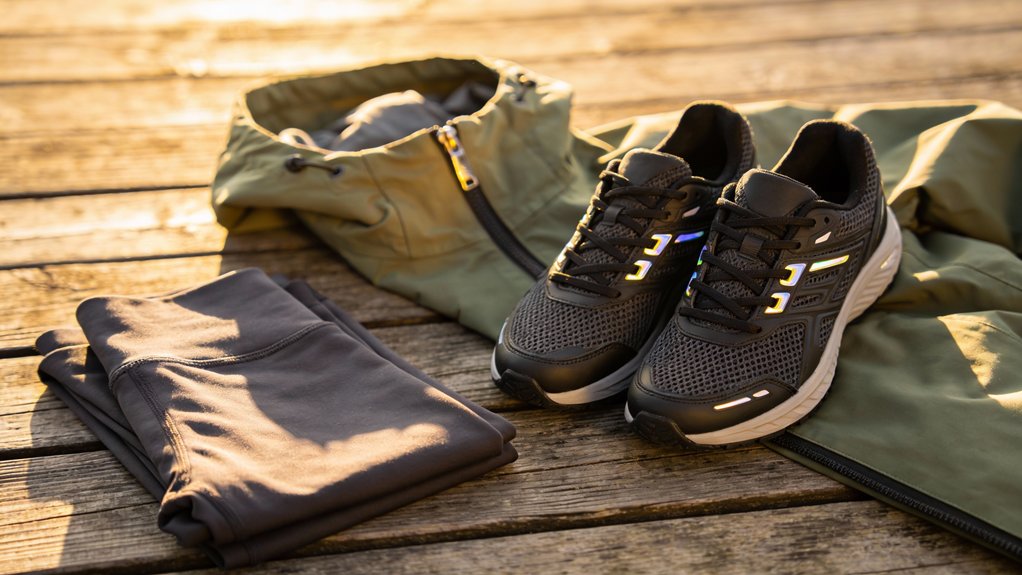
Shoes, socks, layers, a rain shell and a few reflective pieces cover most walks. A practical guide to dressing for comfort and for being seen.
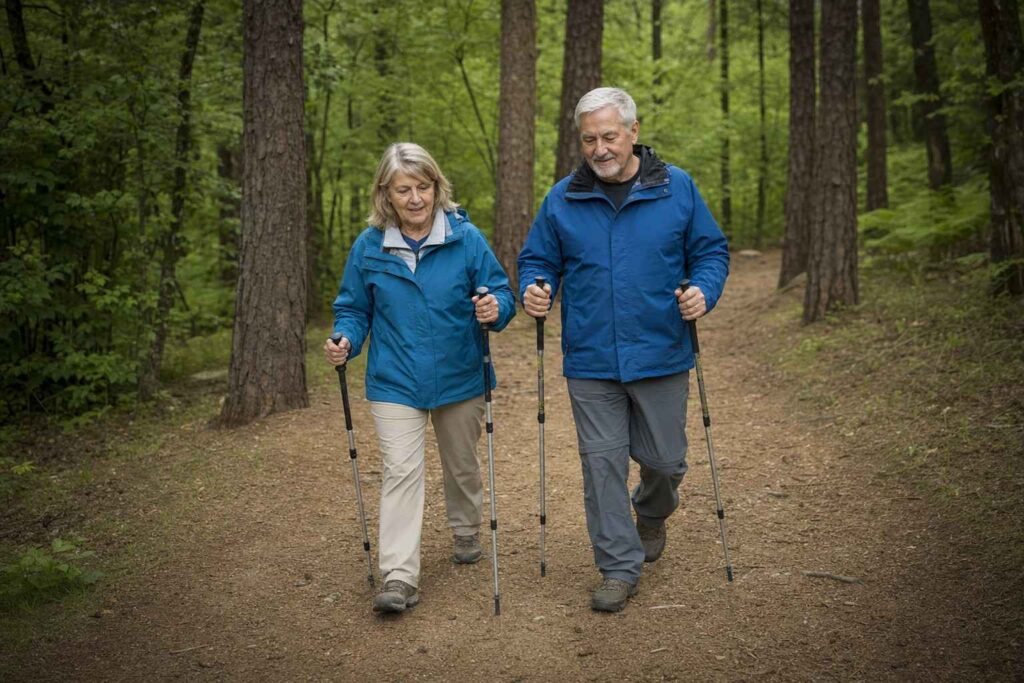
Walking poles take real strain off aging knees and add steadiness on uneven ground, but not everyone over 50 needs a pair. A simple, honest way to decide.
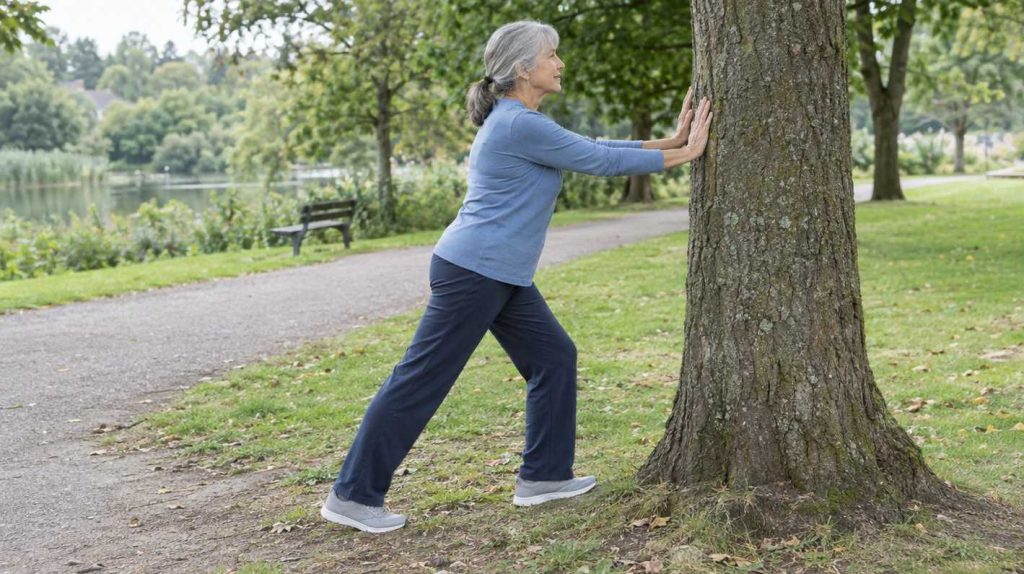
Five stretches for the shin, calf, thigh and hip, in the order to do them, how long to hold each and when to fit them around a walk.
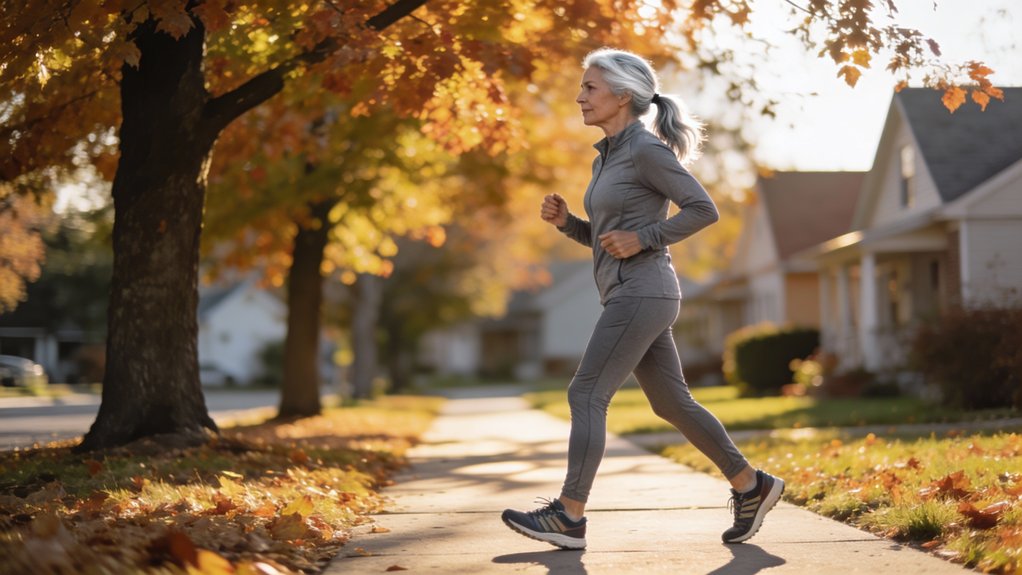
A realistic start to walking after 50: build joint strength, begin with 10 minutes, add about 5 minutes a week, and drop the pressure of 10,000 steps.