
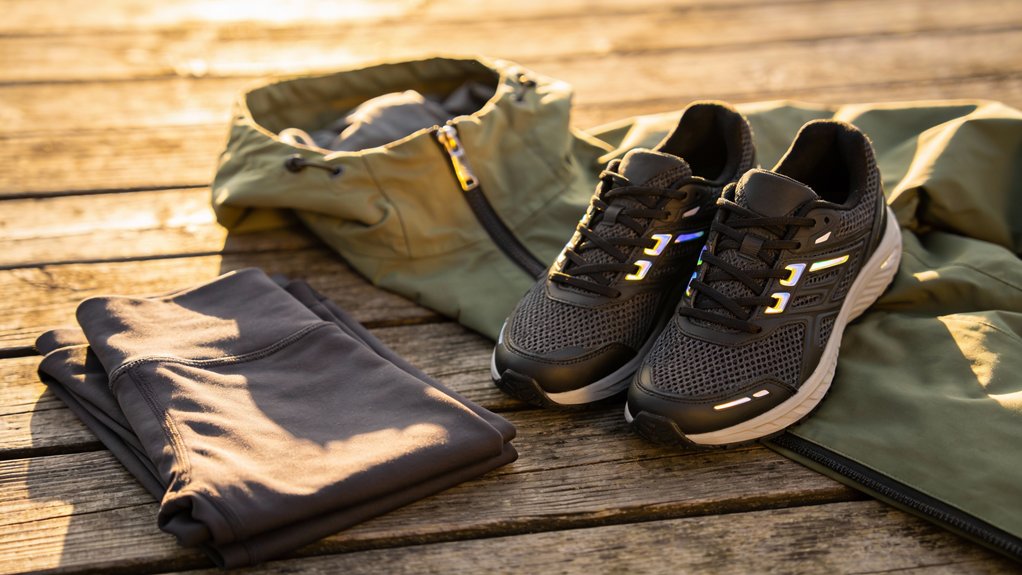
You can’t just throw on any old sneakers and head out the door: what you wear for walking actually matters. The right outfit keeps you comfortable, prevents blisters, and helps you stay safe in changing conditions.
Whether you’re strolling two miles around your neighborhood or tackling a ten-mile trail, your clothing choices directly affect how you feel during and after your walk. Here’s what works.
Start With Supportive Walking Shoes and Quality Socks
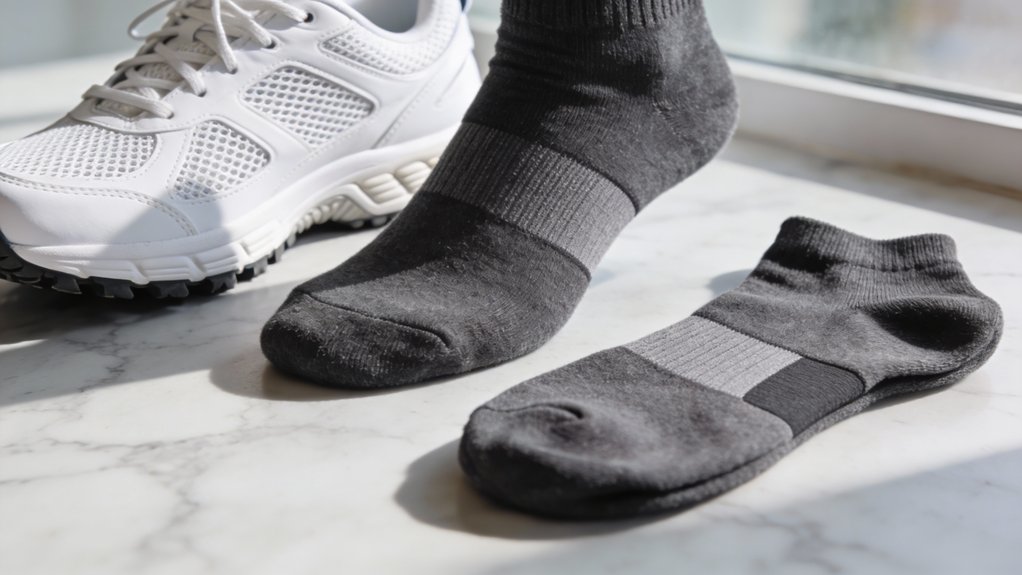
Before you take your first step, you’ll need the right foundation: supportive walking shoes and quality socks.
Different shoe types offer varying levels of cushioning and ankle support to prevent injuries.
Track your mileage: most walking shoes last 300 to 600 miles before needing replacement. Quality sock materials matter too.
Monitor your shoe wear carefully. Replacing them every 300 to 600 miles protects your feet and prevents injury.
Choose wool or high-performance fabrics that wick moisture and prevent blisters. Avoid cotton since it retains sweat and causes discomfort.
Opt for thicker socks with cushioning, but make certain they fit properly with your shoes. This combination keeps you comfortable during longer walks while serving others in your community.
Wear a Moisture-Wicking Base Layer Against Your Skin
Your clothing’s first layer makes all the difference in comfort during walks. Choose moisture-wicking fabrics like merino wool or synthetic blends that pull sweat away from your skin.
This moisture management keeps you dry and regulates body temperature during long outings. Skip cotton entirely, it traps moisture and causes chills.
Look for a snug but comfortable fit that moves with you without binding. Quality fabric types also resist odors, so you’ll stay fresh throughout extended walks.
When you’re comfortable, you can focus on serving others during community walks or charity events rather than battling discomfort.
Layer Up for Warmth You Can Adjust
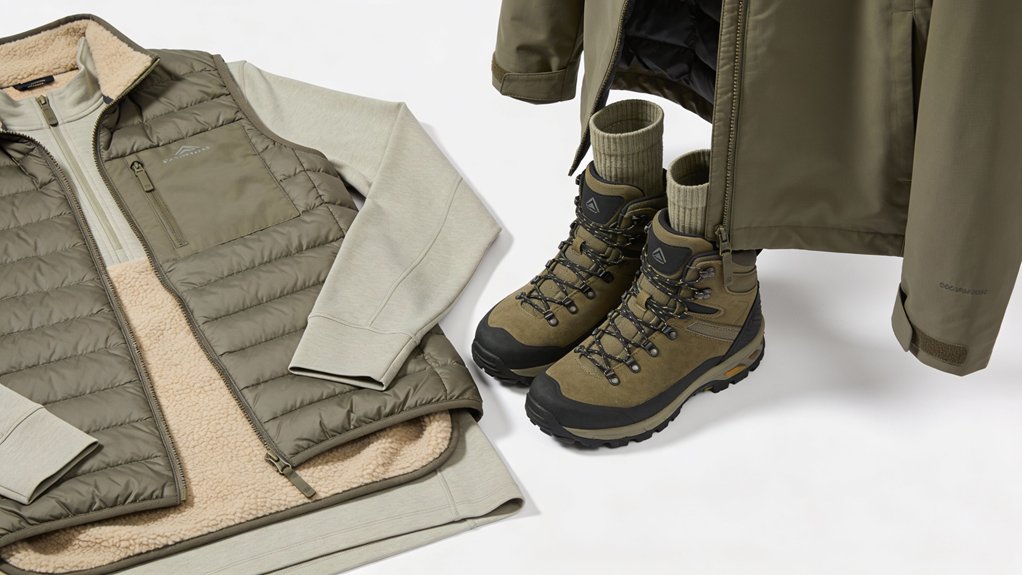
When temperatures drop or conditions shift mid-walk, a three-layer system gives you complete control over your comfort.
Start with your moisture-wicking base, then add a fleece or synthetic mid-layer for insulation.
Top it off with a waterproof, breathable shell to block wind and rain.
These layering techniques let you shed or add pieces as your body heats up or cools down.
Temperature regulation becomes effortless; you’ll stay comfortable whether you’re climbing hills or cooling down afterward.
This adaptable approach means you’re always prepared to serve others on group walks without stopping to struggle with discomfort.
Add a Waterproof Jacket for Rain and Wind Protection
That outer shell layer deserves special attention because it’s your primary defense against wet, windy conditions that can quickly end a walk.
You’ll want waterproof ratings of at least 15,000mm HH to handle heavy downpours effectively.
Breathability features above 10,000g/m²/24hr let sweat escape while keeping rain out.
Key features to seek:
- Adjustable hood and taped seams for complete coverage
- Waterproof zips that won’t leak during storms
- Lightweight, packable design for easy storage
- Wind-blocking fabric to prevent heat loss
This combination keeps you comfortable and dry, allowing you to focus on helping others during outdoor service activities regardless of weather conditions.
Choose Comfortable Walking Pants or Leggings
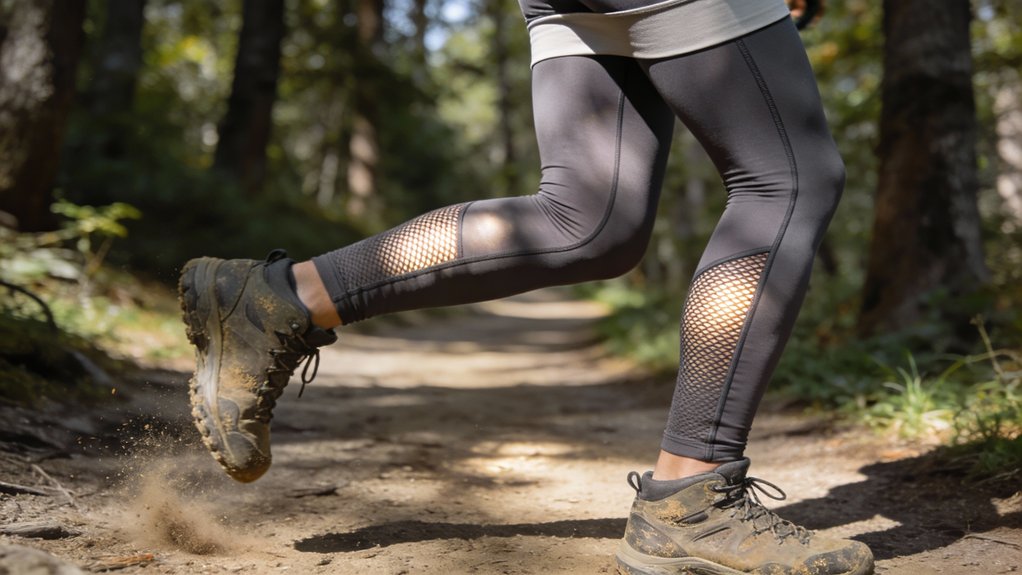
The right pants make the difference between an energizing walk and constant discomfort from chafing or restricted movement.
You’ll want leggings or walking pants crafted from breathable fabrics that wick moisture away from your skin.
Skip denim entirely, it restricts your stride and traps sweat. Instead, look for flexible designs with four-way stretch that move with you through every step.
Water-resistant properties help when weather turns unpredictable. Pants with pockets prove invaluable for carrying treats during dog walks or securing your phone and keys.
Choose a snug but comfortable fit that won’t ride up or bunch during longer outings.
Regular walking in properly fitted pants supports enhanced brain health and cognitive function as you age.
Adapt Your Walking Outfit for Hot and Cold Weather
Once you’ve selected the right pants, your complete outfit needs to account for temperature extremes that’ll challenge your comfort.
In hot weather, lightweight base layers made from synthetic blends or merino wool wick moisture effectively, while light-colored, loose-fitting clothes reflect sunlight.
Cold weather demands strategic layering:
- Start with a moisture-wicking base layer
- Add an insulating mid-layer for warmth
- Include a waterproof outer shell against wind and rain
- Wear high-performance wool or synthetic socks
Don’t forget accessories. Hot weather calls for ventilated hats and sunglasses.
Cold weather requires warm hats and gloves: you’ll lose 25% of body heat through your head otherwise.
Stay Safe With Reflective Clothing and Bright Colors
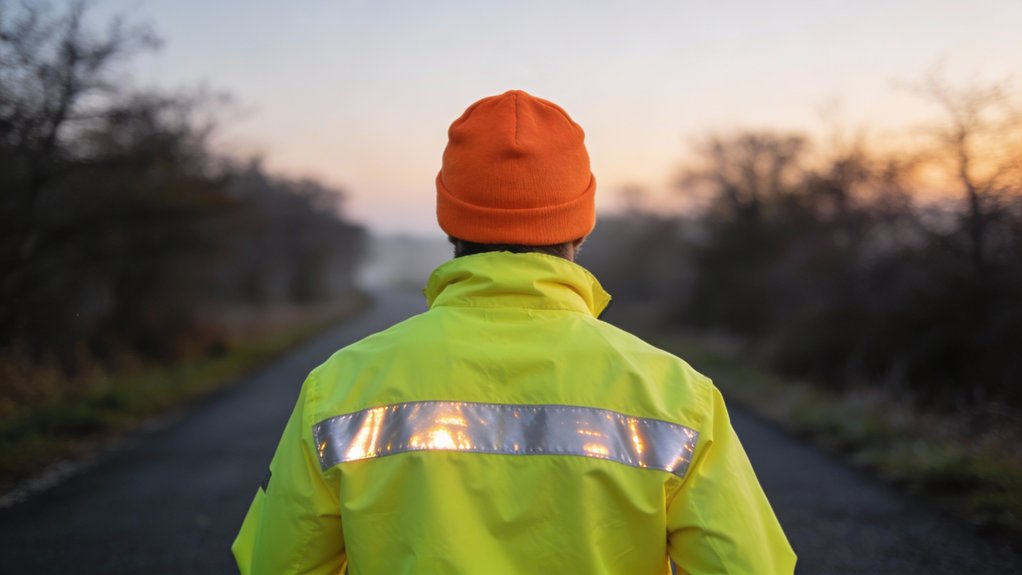
Your visibility to drivers drops dramatically during dawn, dusk, and nighttime walks, making you practically invisible beyond 50 feet without proper gear.
Reflective accessories like vests, armbands, and ankle bands catch headlight beams from over 500 feet away, giving drivers essential reaction time.
Pair these with neon yellow, orange, or lime green clothing for maximum impact. The best color combinations include silver reflective strips on bright backgrounds.
You’ll protect yourself and ease concerns for those who care about you.
Add reflective patches to your regular walking clothes, or invest in a lightweight vest that fits over any outfit during early morning or evening walks.
Add Hats, Gloves, and Sun Protection
Beyond making yourself visible to traffic, you’ll need accessories that protect against weather extremes and sun damage year-round.
Different hat types serve specific purposes: brimmed options shield your face and neck during summer, while insulated winter styles prevent up to 25% of body heat from escaping through your head.
Strategic hat selection protects against seasonal extremes while preventing significant heat loss during winter walks and sun exposure in summer.
Consider these essential protections:
- Sunscreen for any outdoor walk exceeding 15 minutes, even in cold months
- Sunglasses to reduce glare and block harmful UV rays
- Gloves in cold weather, with glove materials chosen to maintain dexterity
- Ventilated hats for summer to prevent heat exhaustion
These basics help you serve your walking companions safely.
Match Your Walking Gear to Your Distance and Terrain
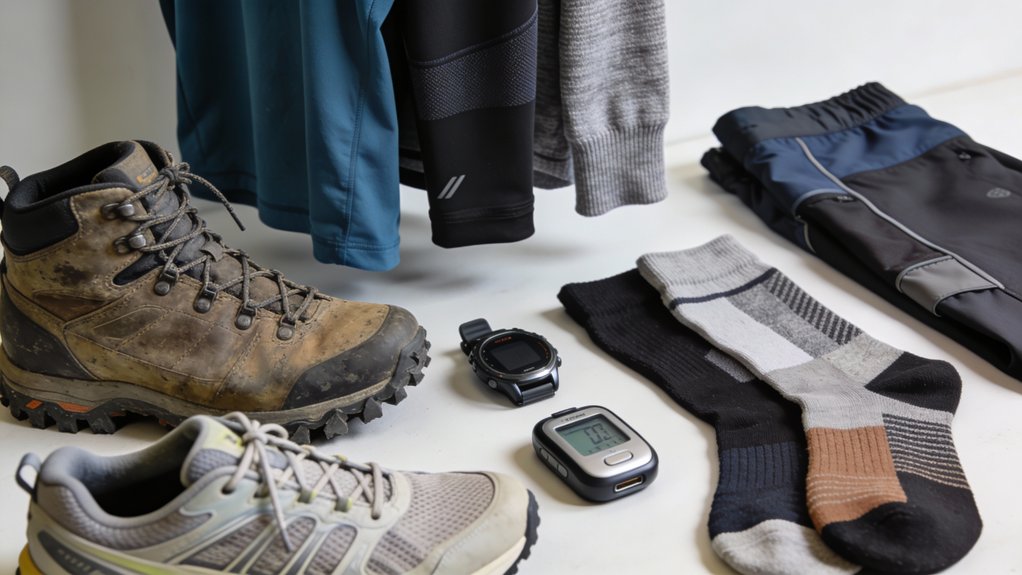
While casual neighborhood strolls require minimal specialized equipment, the right gear becomes increasingly important as distance and terrain difficulty increase. For short walks on flat surfaces, breathable clothing and comfortable walking shoes work well.
However, terrain considerations matter when you’re heading onto uneven trails: sturdy boots with ankle support prevent injuries on rocky paths.
Longer distances demand moisture-wicking base layers and cushioned socks to prevent blisters.
Footwear types should match your route’s challenges: lightweight shoes for pavement, supportive boots for wilderness trails.
Wet conditions require waterproof jackets and water-resistant pants, while cold weather necessitates layering with insulating mid-layers and thermal socks.
Practicing mindful walking while paying attention to your gear choices helps you build awareness of how your body feels throughout your journey.
Pick Walking Clothes That Reflect Your Personal Style
Functional walking gear doesn’t mean you have to sacrifice personal expression or stick with plain black leggings and basic tees.
Your workout wardrobe should reflect your unique style. Function and fashion aren’t mutually exclusive when choosing activewear.
You can choose walking clothes that showcase your personality while meeting practical needs:
- Select colorful patterns and prints that energize your morning routine and inspire others on the trail.
- Choose moisture-wicking fabrics in bright hues for visibility during dawn or dusk walks.
- Layer stylish pieces that adapt to temperature changes throughout your walk.
- Embrace “dopamine dressing” by wearing outfits that boost your mood and motivation.
Your walking wardrobe can combine performance features with personal expression that reflects who you are.