
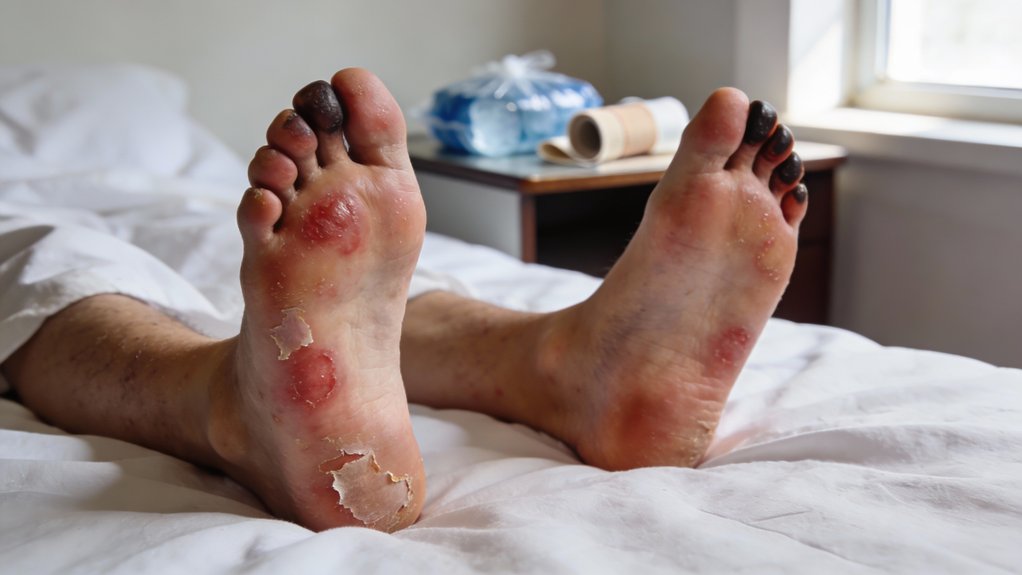
Studies show that 30% of regular walkers experience overtraining symptoms within their first year of consistent exercise. You’ve probably felt it yourself, that nagging sense something’s off even though walking seems harmless.
Your body sends clear signals when you’re pushing too hard, but most people miss them or brush them aside. These five warning signs reveal when your healthy habit crosses into harmful territory, plus you’ll discover exactly how to bounce back without losing your progress.
Why Your Legs Feel Heavy After Every Walk
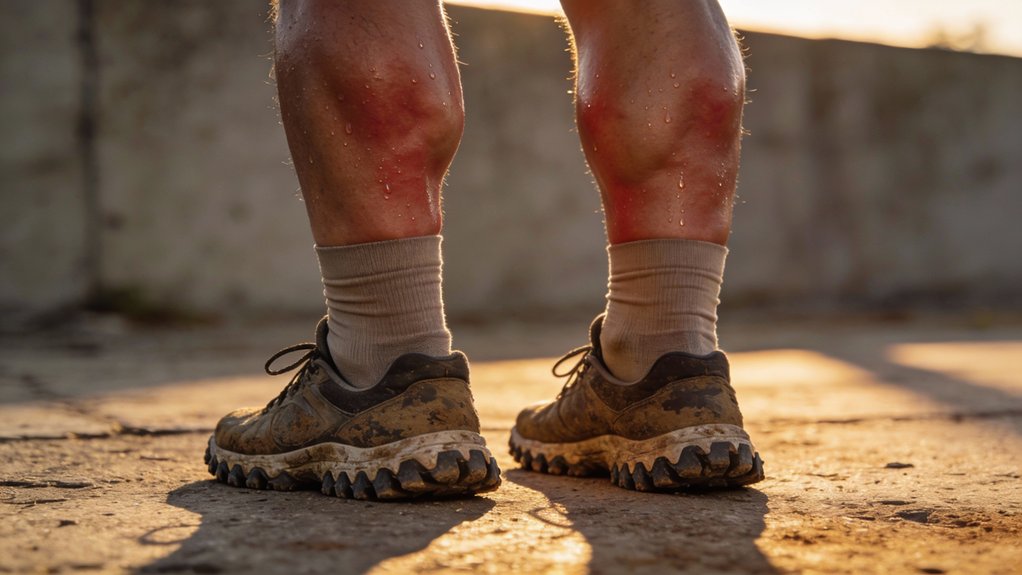
When your legs feel like concrete blocks after a walk, your muscles are sending a clear distress signal. Muscle fatigue sets in when you’ve pushed beyond your current conditioning level, causing microscopic tears in the fibers.
Your body accumulates lactic acid faster than it can clear it away. Poor hydration levels compound the problem: without adequate water and electrolytes, your muscles can’t function efficiently.
You might notice this heaviness most after walks lasting 60-90 minutes or longer. If you’re experiencing this regularly, you’re likely overdoing it and need to adjust your walking routine before minor strain becomes serious injury. While regular walking enhances memory and cognitive function, excessive walking without proper recovery can counteract these benefits and lead to burnout instead of brain health gains.
Persistent Joint Pain From Walking Too Much
Persistent Joint Pain From Walking Too Much
Heavy legs are just the beginning; joint pain tells you something more serious is developing. When your knees, hips, or ankles ache for days after walking, you’re likely experiencing joint inflammation from overuse.
Walking beyond 10,000 steps daily without rest considerably increases your risk of chronic pain, especially if you have arthritis. Activity monitoring becomes essential here.
Exceeding 10,000 daily steps without proper rest days can trigger chronic joint pain, particularly for those managing arthritis conditions.
If pain persists beyond three days, reduce your walking immediately and schedule rest days. Your body needs recovery time to prevent tendonitis or bursitis.
Consult a healthcare professional if the discomfort continues; catching these issues early helps you serve others better.
Why You Dread Your Daily Walks Lately
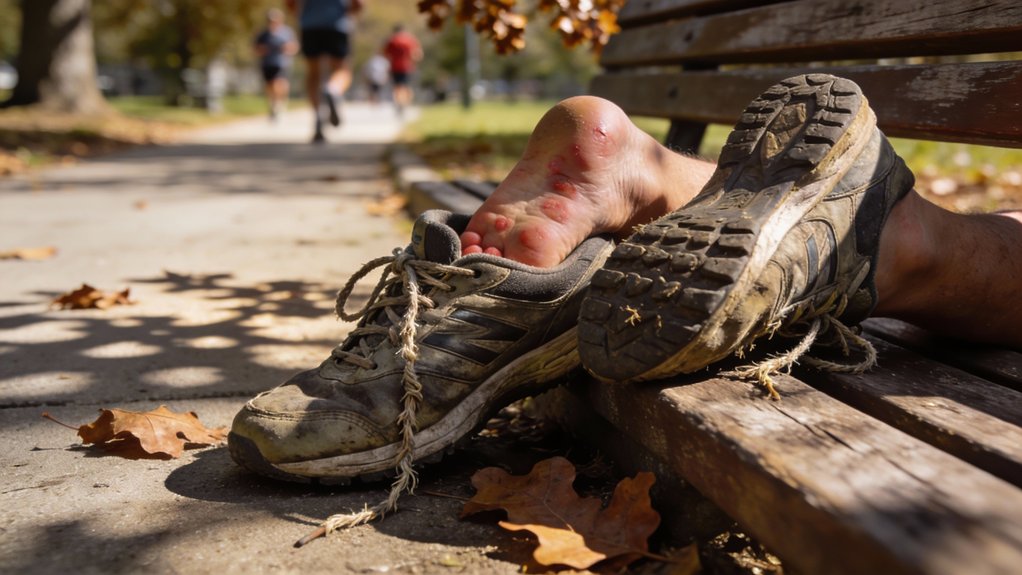
Your morning walk used to energize you, but now you’re hitting the snooze button to avoid it. This shift in walking motivation signals your body needs rest.
When exercise enjoyment disappears, you’re likely overtrained. Mental fatigue shows up as irritability and resistance to activities you once loved.
Your muscles might ache constantly, or your joints feel stiff before you’ve even started. Sleep disruptions compound the problem, leaving you too exhausted to face another walk.
If your usual pace feels impossible to maintain, you’ve crossed from beneficial exercise into burnout territory.
While regular walking routines typically reduce stress and unlock creativity, excessive walking without proper recovery prevents these benefits from materializing.
Listen to these warning signs.
You’re Catching Every Cold That Goes Around
If you’ve noticed yourself reaching for tissues more often than your walking shoes, your exercise routine might be sabotaging your immune system.
Overtraining weakens your immune response by elevating cortisol levels, which suppresses your body’s ability to fight off viruses.
Research shows that high-volume exercisers without adequate recovery experience more frequent upper respiratory infections.
You’ll notice increased infection susceptibility through recurrent colds, persistent fatigue, and stubborn muscle soreness.
Your body’s sending a clear message: it needs rest to maintain proper defenses.
Cut back on mileage, schedule recovery days, and prioritize sleep to restore your immunity and better serve those who depend on you.
Your Recovery Plan: Rest, Reduce, Rebuild
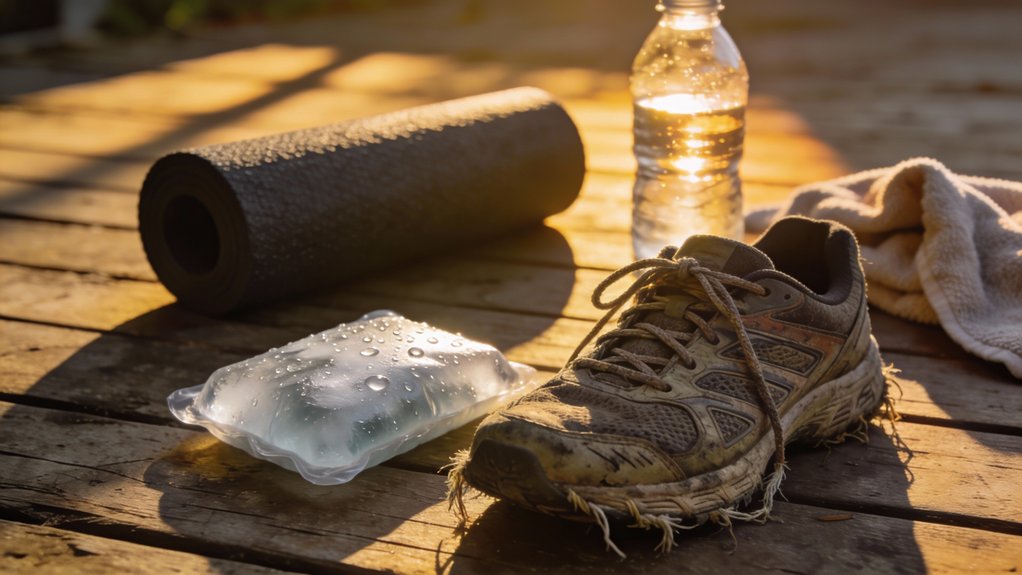
Recognizing the warning signs means nothing without taking action to fix the problem. Your recovery follows three clear phases.
First, take complete rest for one week: light walking or gardening keeps you gently moving.
Second, reduce activity by 50% for week two. Cut your walking distance, speed, or duration in half.
Third, rebuild through careful intensity progression. Increase your efforts by just 2-5% every week or two.
These rest strategies protect your body while maintaining fitness.
Schedule regular breaks every couple of months. You’ll serve others better when you’re healthy and strong, not exhausted and injured.