
Physix Gear and SB SOX deliver 20-30 mmHg support for sustained walking, while Vital Compression Calf Sleeves target shin splints and calf pain with focused compression. CHARMKING offers moderate 15-20 mmHg compression in a three-pack for everyday use.
Pick Physix Gear or SB SOX if you need maximum support during intense activity, choose Vital for specific lower leg pain, and select CHARMKING for light compression across multiple pairs. The full breakdown reveals which sock matches your walking demands.
Key Takeaways
Physix Gear or SB SOX for sustained walking support with 20-30 mmHg compression to enhance circulation during long sessions.
CHARMKING for budget-conscious everyday walkers seeking a 3-pack option with 15-20 mmHg compression.
Crucial Compression Calf Sleeves if calf pain or shin splints develop during walking activities.
| Physix Gear Compression Socks 20-30 mmHg for Men & Women |  | Best Overall | Compression Level: 20-30 mmHg | Material Composition: High-quality materials (unspecified) | Target Users: Athletes, professionals, travelers, nurses | VIEW LATEST PRICE | Read Our Analysis |
| SB SOX Compression Socks (20-30mmHg) for Men & Women |  | Best Sellers Pick | Compression Level: 20-30 mmHg | Material Composition: 80% nylon, 20% spandex | Target Users: Men and women (unisex) | VIEW LATEST PRICE | Read Our Analysis |
| Crucial Compression Calf Sleeves for Men & Women |  | Best for Active Walkers | Compression Level: Not specified | Material Composition: Premium nylon/spandex | Target Users: Men and women (unisex) | VIEW LATEST PRICE | Read Our Analysis |
| CHARMKING Compression Socks 15-20 mmHg (3-Pack) |  | Best Value Pack | Compression Level: 15-20 mmHg | Material Composition: 85% nylon, 15% spandex | Target Users: Athletes, office workers, pregnant women | VIEW LATEST PRICE | Read Our Analysis |
More Details on Our Top Picks
Physix Gear Compression Socks 20-30 mmHg for Men & Women
Physix Gear compression socks serve nurses, runners, and travelers who need sustained leg support during extended activity. The 20-30 mmHg compression level applies targeted pressure to arches and heels, reducing swelling and fatigue while enhancing blood circulation. High-quality materials ensure durability through constant movement and frequent wear.
- Compression Level:20-30 mmHg
- Material Composition:High-quality materials (unspecified)
- Target Users:Athletes, professionals, travelers, nurses
- Primary Benefits:Enhanced circulation, reduced swelling, injury prevention
- Product Type:Full compression socks
- Sizing Options:Multiple sizes available
- Additional Feature:Best-rated on market
- Additional Feature:Targeted arch and heel support
- Additional Feature:Prevents injuries and discomfort
SB SOX Compression Socks (20-30mmHg) for Men & Women
SB SOX Compression Socks serve walkers needing moderate support without a prescription. The 20-30mmHg compression level and breathable nylon-spandex blend distinguish these socks for all-day wear. Sizing by calf measurement ranges from Small (11-14 inches) to X-Large (18-20 inches), while the unisex design works for both men and women seeking improved circulation and reduced leg swelling during extended activity.
- Compression Level:20-30 mmHg
- Material Composition:80% nylon, 20% spandex
- Target Users:Men and women (unisex)
- Primary Benefits:Improved blood circulation, relieved leg pain and fatigue
- Product Type:Full compression socks
- Sizing Options:Small, Medium, Large, X-Large
- Additional Feature:#2 ranked medical compression socks
- Additional Feature:Four comprehensive sizing options
- Additional Feature:Multiple color availability
Crucial Compression Calf Sleeves for Men & Women
Compression Calf Sleeves support walkers and runners managing shin splints and calf pain by boosting blood circulation to reduce fatigue. The nylon-spandex construction with double stitching delivers durability without restricting movement. Designed for calves measuring 11-15 inches, these unisex sleeves include a satisfaction guarantee.
- Compression Level:Not specified
- Material Composition:Premium nylon/spandex
- Target Users:Men and women (unisex)
- Primary Benefits:Circulation boost, pain relief, faster recovery
- Product Type:Calf sleeves
- Sizing Options:Small/Medium (11-15″ calf)
- Additional Feature:Double stitching for durability
- Additional Feature:100% satisfaction guarantee included
- Additional Feature:Reduces lactic acid buildup
CHARMKING Compression Socks 15-20 mmHg (3-Pack)
CHARMKING Compression Socks work for everyday walkers seeking moderate support without prescription. The 85% nylon and 15% spandex blend provides breathable, durable compression at 15-20 mmHg. A 360-degree stretch design fits various leg shapes while the 3-pack ensures you always have clean socks ready.
- Compression Level:15-20 mmHg
- Material Composition:85% nylon, 15% spandex
- Target Users:Athletes, office workers, pregnant women
- Primary Benefits:Blood circulation promotion, fatigue prevention, muscle recovery
- Product Type:Knee-high compression socks
- Sizing Options:Two size options
- Additional Feature:360-degree stretch flexibility
- Additional Feature:Three-pack bundle value
- Additional Feature:Suitable for pregnant women
Factors to Consider When Choosing Compression Socks for Walking
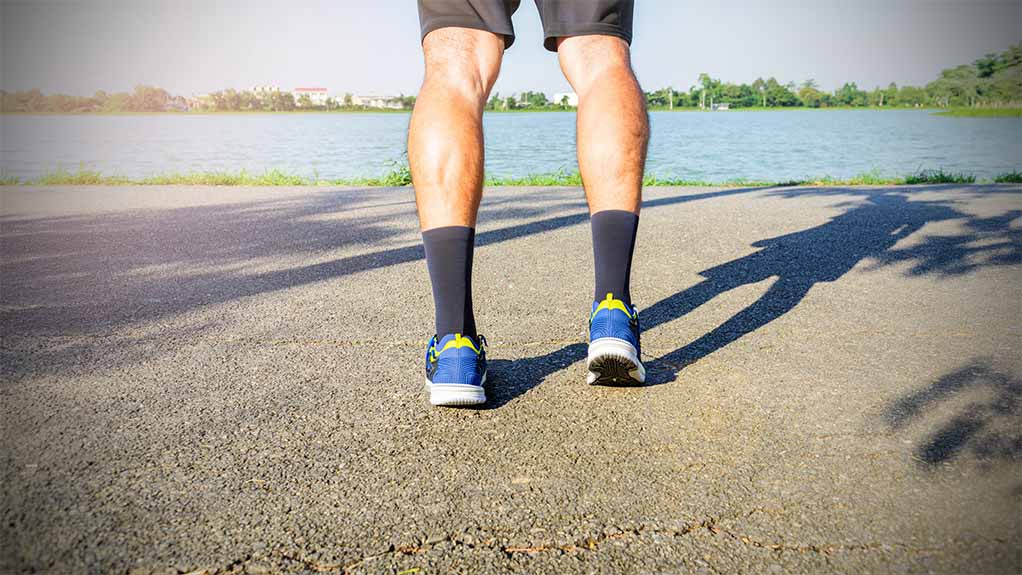
When selecting compression socks for walking, evaluate compression levels (15-20 mmHg for mild support), material durability, accurate sizing, moisture-wicking fabrics, and targeted cushioning at the arch and heel.
These factors affect circulation, blister prevention, and consistent wear. The sections below detail each consideration.
Compression Level Selection
Choose your compression level based on your activity and medical needs.
- Mild compression (8-15 mmHg) offers minimal circulation benefits and works only for very light use.
- Moderate compression (15-20 mmHg) suits general walking by enhancing blood flow without discomfort during extended wear.
- Firm compression (20-30 mmHg) addresses serious conditions like deep vein thrombosis or severe swelling, not regular walking.
Assess your current leg conditions and activity intensity. Consult your healthcare provider to match compression strength to your specific requirements before purchasing.
Material Quality And Durability
Select compression socks made from nylon and spandex blends for durability that withstands repeated wear and washing. Reinforced stitching and seams prevent holes and tears that compromise support during extended use.
Choose socks with enhanced stretch fabrics that allow comfortable movement without restricting your legs.
Evaluate fabric composition by checking nylon-to-spandex ratios, which determine stretchiness and breathability during wear.
Breathable, moisture-wicking materials keep feet dry and prevent fungal growth, which extends sock lifespan and prevents skin irritation.
Proper Fit And Sizing
Measure your calf circumference at the widest point and foot circumference before purchasing. A snug fit provides support without restricting blood circulation. Take measurements while standing for accuracy.
Choose sock length based on your support needs: ankle-height targets foot support, while knee-high extends support up the leg.
Test your socks by walking around your home before committing to regular use. Poorly fitting socks cause discomfort, blistering, and circulation problems that eliminate compression benefits.
Replace socks when they show visible wear or loss of elasticity. Proper sizing directly affects walking performance.
Support For Arch And Heel
Choose compression socks with reinforced arch and heel cushioning to prevent foot fatigue during walking. These high-impact zones require thickened panels that distribute pressure evenly across your foot.
Look for anatomical contouring that matches your foot’s natural curves and maintains proper alignment while reducing strain on the plantar fascia.
Select socks combining graduated compression with thickened arch and heel panels. This combination prevents plantar fasciitis and heel pain during extended walking.
The reinforced structure allows your muscles to work more efficiently with less effort during movement.
Frequently Asked Questions
How Long Should I Wear Compression Socks Daily for Walking Benefits?
Wear compression socks at least 4-6 hours daily to experience walking benefits, though you can safely wear them all day. Consistent usage improves circulation and reduces leg fatigue during activity.
Can Compression Socks Prevent Blisters and Foot Pain During Long Walks?
Compression socks can help prevent blisters and reduce foot pain during long walks by decreasing friction and improving circulation. They provide arch support and reduce swelling, making walks more comfortable.
Are Compression Socks Suitable for People With Diabetes or Circulation Problems?
Consult your doctor before wearing compression socks if you have diabetes or circulation problems. They may help some people but aren’t suitable for everyone and require professional medical guidance to ensure they won’t worsen your condition.
How Often Should Compression Socks Be Replaced for Optimal Effectiveness?
Compression socks should be replaced every 3-6 months as regular wear breaks down elastic fibers and reduces support effectiveness. Inspect them monthly for decreased compression or visible damage and replace sooner if needed.
Do Compression Socks Work Better for Certain Types of Walking Activities?
Compression socks work best for long-distance walks, recovery periods, and uneven terrain. They provide extra leg support and improve circulation during these activities. Their versatility makes them useful across multiple walking styles.
Conclusion
Compression socks between 15-30 mmHg improve circulation during walking when sized correctly according to manufacturers’ charts. Match the pressure level to your support needs: mild symptoms require 15-20 mmHg, moderate symptoms require 20-30 mmHg.
Review the four options against your pressure requirements and available sizes to select your pair.