

If you’re 70 or older, aim for 6,000 to 8,000 steps per day. Research shows older adults hit peak longevity benefits in that range, not at 10,000 steps. At 8,000 steps, you’ve already cut your mortality risk by 50%.
Every extra 500 steps you add also lowers your cardiovascular disease risk by 14%. Chasing 10,000 steps isn’t necessary and can actually work against you. There’s plenty more to unpack about hitting these targets safely.
The Recommended Daily Step Count for 70-Year-Olds
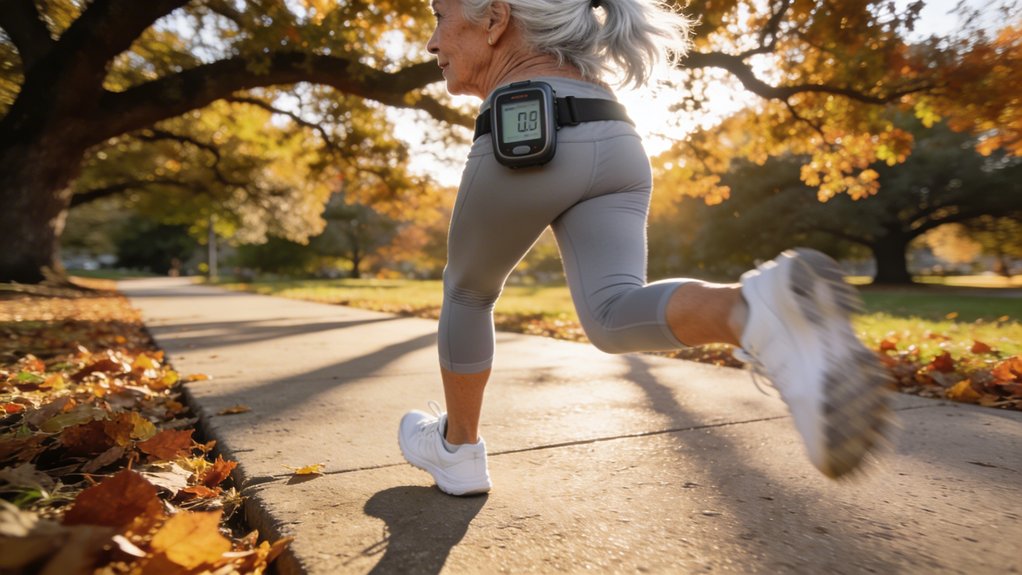
When it comes to daily steps, most health experts recommend that adults aged 70 and above aim for 7,000 to 10,000 steps per day. That’s a practical target backed by solid research.
Health experts recommend adults 70 and older aim for 7,000 to 10,000 steps daily — a goal backed by solid research.
Studies show that older adults who reach 6,000 to 8,000 daily step counts experience lower mortality risk.
The health benefits don’t stop there. Each additional 500 steps reduces cardiovascular disease risk by 14%. Even reaching 4,500 steps daily cuts cardiovascular event risk by 77% compared to fewer than 2,000 steps.
Regular walking also helps preserve joint health and cartilage, protecting your mobility and independence as you age.
If you’re helping a senior you care for, these numbers offer clear, meaningful goals for better long-term health.
What the Research Says About Steps and Longevity
Research backs up those step targets with some compelling numbers.
Studies show that adults aged 60 and older see mortality risk drop extensively at 6,000–8,000 steps per day. For women between 62 and 101, that risk decreases noticeably around 7,500 steps daily.
The overall sweet spot for longevity sits between 6,000 and 10,000 steps. Each additional 1,000 steps you add reduces your disease and mortality risk further.
You don’t need to walk fast either, since step intensity doesn’t markedly affect these health benefits. The recommended steps per day matter more than how quickly you take them.
Starting with the 10% rule ensures you can build toward these targets safely without overwhelming your body or risking injury.
Why 10,000 Steps Is the Wrong Goal After 60
The 10,000 steps goal sounds reasonable until you look at what the data actually shows for people over 60.
Studies suggest that older adults hit their peak longevity benefits between 6,000 and 8,000 steps a day. Beyond that, the lower risk curve flattens out.
You’re not gaining much by pushing harder. At 8,000 steps, you’re already looking at a 50% reduction in mortality risk. That includes protection against a cardiovascular event and improvements in blood pressure.
For older adults, chasing 10,000 steps isn’t just unnecessary, it can feel discouraging and lead to giving up entirely.
What Happens to Your Body With Every 500 Extra Steps

Every 500 steps you add to your day cuts your cardiovascular disease risk by 14%. That’s not a small number. The American Heart Association recognizes that daily movement directly affects blood pressure, blood flow, and overall heart health.
You don’t need high intensity exercise to see results. Walking 4,500 steps instead of under 2,000 reduces your risk of cardiovascular events by 77%. Each small increase matters.
Adding just 1,000 steps daily can meaningfully lower your risk of chronic disease. Your body responds to every extra step you take, and the benefits start accumulating immediately.
Your Step Target When You Have a Health Condition
If you have a chronic condition like diabetes or heart disease, your step goal needs a personal touch. Research older found that lower intensity physical activity still protects your heart greatly.
- Consult your doctor before setting any step target
- Begin with a short walk of 1,000–2,000 steps daily
- Monitor blood sugar levels before and after walking
- Gradually increase steps to reduce stroke or heart failure risk
Even with diabetes or heart disease, gentle daily movement still offers powerful protection for your heart.
Your healthcare provider helps you build a safe, realistic goal tailored specifically to your body.
Build Up to 6,000–8,000 Steps Without Getting Hurt
Reaching 6,000–8,000 steps daily doesn’t have to happen overnight. Start with lower intensity physical activity, like 10-minute walks, and make small increases each week.
If you’re currently at 4,000 steps, add 500 more every two weeks.
Step counting with an affordable tracker helps you monitor progress honestly.
Once walking feels comfortable, try brisk walking to build toward higher intensity movement.
Aim for at least 30 minutes of total walking spread throughout your day. Your body needs time to adjust, so listen to it. Slow, steady progress protects your joints and keeps you moving longer.
The Best Step Trackers for Older Adults
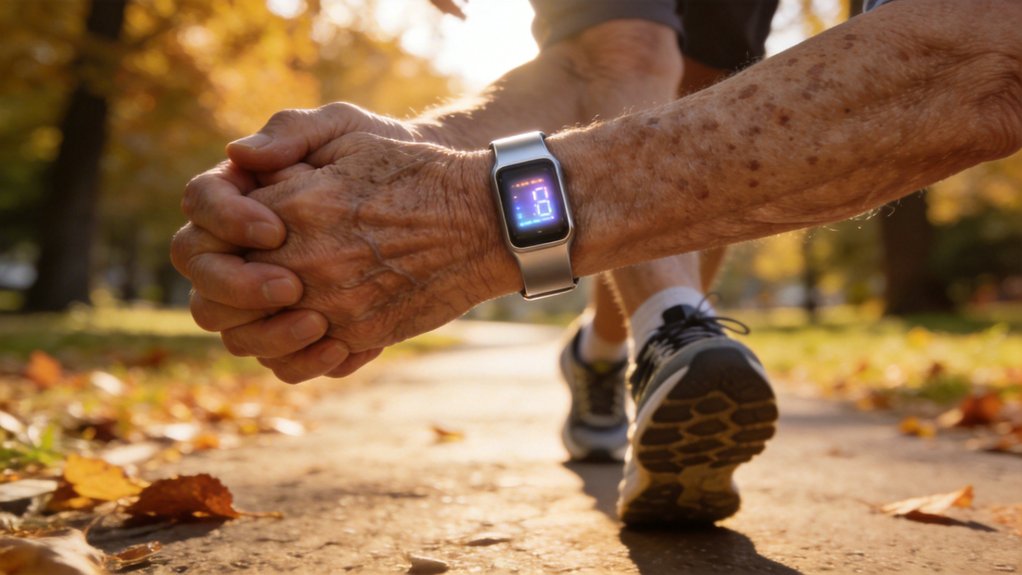
Finding the right step tracker makes a real difference in staying consistent with your daily walking goals.
Whether you’re in a continuing care retirement community or living independently, tracking lower-intensity physical activity helps you stay accountable. The National Institutes of Health and Public Health systematic review research confirm that consistent movement matters.
Tracking daily steps keeps you accountable and consistent, whether you live independently or in a retirement community.
Discover the best large-screen pedometers for seniors. Simple, easy-to-use step counters.
Low-Impact Ways Seniors Can Add More Steps Daily
Adding more steps to your day doesn’t require a gym membership or intense exercise. Small changes help you stay physically active at a moderate intensity level associated with a lower risk of coronary heart disease and risk of death.
Use a cane or walker indoors to boost stability while adding steps. March in place during TV commercials, or join a seniors’ walking group at local parks. Chair-based stepping exercises also count.
Even daily chores like light cleaning contribute to your total. Finding your sweet spot means building movement naturally into routines you already enjoy.