
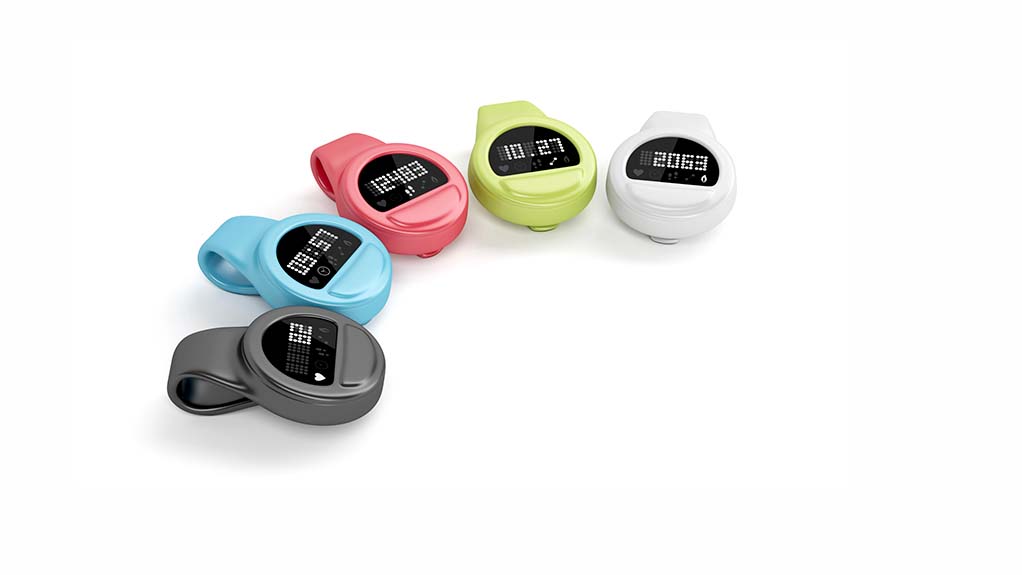
The Realalt 3D Pedometer stores 30 days of data with a 12-month battery, while the Omron HJ-151 distinguishes between regular and brisk walking. The 3DFitBud A420S requires no setup and starts immediately, and the OZO Fitness model weighs under 1 ounce with a high-contrast display.
All clip to clothing or pockets for hands-free tracking and deliver reliable step counting.
Choose the Realalt if you want extended data history, the Omron for walking intensity tracking, the 3DFitBud for instant use, or the OZO Fitness if portability matters most.
Key Takeaways
- You need a pedometer that works independently without syncing to your phone: Realalt 3D Pedometer stores 30 days of data and runs for 12 months on a single battery.
- You want to track whether your walking intensity meets aerobic exercise guidelines: Omron HJ-151 distinguishes between regular and brisk walking.
- You prefer a device ready to use immediately out of the box: 3DFitBud Simple Step Counter features an extra-large display with no setup required.
- You need a lightweight pedometer you can wear hands-free all day: OZO Fitness 3D Pedometer weighs less than 1 ounce with a high-contrast display and included lanyard.
| Realalt 3D Pedometer with Clip & Strap |  | Most Comprehensive Tracker | Sensor Technology: 3D Tri-Axis Sensor | Battery Life: Up to 12 months | Wearing Options: Clip and strap | VIEW LATEST PRICE | Read Our Analysis |
| Omron HJ-151 Hip Pedometer for Aerobic Activity |  | Aerobic Activity Specialist | Sensor Technology: Single Axis Accelerometer | Battery Life: Not specified | Wearing Options: Hip clip | VIEW LATEST PRICE | Read Our Analysis |
| 3DFitBud Simple Step Counter Pedometer with Clip (A420S) |  | Easiest Setup | Sensor Technology: Advanced 3D Tri-Axis Sensor | Battery Life: Up to 12 months | Wearing Options: Clip, lanyard, pocket, or bag | VIEW LATEST PRICE | Read Our Analysis |
| OZO Fitness 3D Pedometer Step Counter with Lanyard |  | Senior-Friendly Design | Sensor Technology: High-Sensitivity 3D Sensor | Battery Life: Up to 12 months | Wearing Options: Lanyard trap, clip, pocket, or bag | VIEW LATEST PRICE | Read Our Analysis |
| Pedometer 3D Step Counter with Clip and Lanyard |  | Best Value Pick | Sensor Technology: 3D Tri-Axis Sensor | Battery Life: Up to 12 months | Wearing Options: Clip and lanyard | VIEW LATEST PRICE | Read Our Analysis |
More Details on Our Top Picks
Realalt 3D Pedometer with Clip & Strap
The Realalt 3D Pedometer suits adults and seniors seeking straightforward activity tracking without smartphone syncing. Its 3D tri-axis sensor captures steps, distance, calories, and exercise time regardless of wear position, clipped to clothing or carried in a pocket. The device stores 30 days of data and runs for 12 months on a single battery charge.
- Sensor Technology:3D Tri-Axis Sensor
- Battery Life:Up to 12 months
- Wearing Options:Clip and strap
- Memory/Data Storage:Up to 30 days of daily records
- Setup Requirements:No Bluetooth or smartphone required
- Display Type:Standard digital display
- Additional Feature:30-day data storage capacity
- Additional Feature:18-month manufacturer warranty
- Additional Feature:Tracks calories burned
Omron HJ-151 Hip Pedometer for Aerobic Activity
The Omron HJ-151 Hip Pedometer suits anyone tracking daily aerobic activity through a simple, clip-on device. It uses single-axis technology to distinguish between regular and brisk walking steps. The pedometer displays four metrics (steps, moderate brisk steps, time, and distance) while storing seven days of data that resets automatically at midnight, and includes a built-in clock for convenience.
- Sensor Technology:Single Axis Accelerometer
- Battery Life:Not specified
- Wearing Options:Hip clip
- Memory/Data Storage:Up to 7 days of information
- Setup Requirements:No Bluetooth or smartphone required
- Display Type:Digital display with clock
- Additional Feature:Distinguishes regular vs. brisk steps
- Additional Feature:Four different tracking modes
- Additional Feature:Includes built-in clock
3DFitBud Simple Step Counter Pedometer with Clip (A420S)
For seniors seeking simple fitness tracking, the 3DFitBud Simple Step Counter Pedometer with Clip requires no setup and starts counting immediately upon clipping to your waistband or pocket. Its 3D Tri-Axis Sensor technology accurately registers steps from any body position or movement angle. The extra-large digital display shows daily progress without strain, while the pre-installed battery lasts twelve months.
- Sensor Technology:Advanced 3D Tri-Axis Sensor
- Battery Life:Up to 12 months
- Wearing Options:Clip, lanyard, pocket, or bag
- Memory/Data Storage:Daily step tracking
- Setup Requirements:No setup required, ready to use
- Display Type:Extra-large digital display
- Additional Feature:2-year manufacturer warranty
- Additional Feature:Extra-large digital display
- Additional Feature:Auto sleep/wake functionality
OZO Fitness 3D Pedometer Step Counter with Lanyard
The OZO Fitness 3D Pedometer serves seniors seeking reliable step counting without apps or charging. Its high-sensitivity sensor detects steps across varying speeds and surfaces, eliminating false counts common in basic models. At less than 1 oz with a large, high-contrast display readable in low light, it clips to clothing or pocket and runs twelve months on batteries.
- Sensor Technology:High-Sensitivity 3D Sensor
- Battery Life:Up to 12 months
- Wearing Options:Lanyard trap, clip, pocket, or bag
- Memory/Data Storage:Single day display
- Setup Requirements:2-second setup, no programming or apps
- Display Type:Large display with high-contrast numbers
- Additional Feature:Splash and drop-resistant
- Additional Feature:High-contrast display visibility
- Additional Feature:Specialized for seniors
Pedometer 3D Step Counter with Clip and Lanyard
Seniors seeking step tracking without smartphone reliance will appreciate the Pedometer 3D Step Counter with Clip and Lanyard, which uses tri-axis sensor technology to eliminate the 10-step counting errors common in basic models. The large display shows daily progress without navigating apps, while the clip and lanyard attachment keep hands free. A single CR2032 battery lasts 12 months, and the device carries a 1-year warranty.
- Sensor Technology:3D Tri-Axis Sensor
- Battery Life:Up to 12 months
- Wearing Options:Clip and lanyard
- Memory/Data Storage:Single day display
- Setup Requirements:No Bluetooth or smartphone required
- Display Type:Large screen display
- Additional Feature:10-step error prevention filtering
- Additional Feature:Automatic sleep mode activation
- Additional Feature:Multiple color options available
Factors to Consider When Choosing Pedometers for Seniors

When selecting pedometers for seniors, prioritize large displays of at least 1 inch for readability.
Also note intuitive setup requiring no instructions, battery life exceeding six months, comfortable wearable options like clips or wristbands, and durability against drops from waist height. The following sections detail each factor.
Display Size and Readability
Select a pedometer with oversized LCD screens displaying numbers at least one inch tall. The display must remain legible in bright sunlight, dim indoor spaces, and low-light environments. Avoid small fonts or complicated layouts.
Choose bold fonts with dark text on light backgrounds for maximum contrast. This reduces eye strain when checking step counts and fitness metrics. Display quality directly affects how easily you can read your daily activity data.
Ease of Setup and Use
If ease of use is your goal, you should choose a pedometer that does not require a smartphone connection or technical programming.
Single-button controls prevent accidental adjustments during wear. Automatic daily resets eliminate manual counter clearing, reducing operational errors and saving time.
Battery Life and Maintenance
Select pedometers with 12-month battery life on a single charge. Extended duration reduces maintenance interruptions and maintains consistent step tracking throughout the year.
Choose models using CR2032 batteries, the standard coin-cell type available at pharmacies and stores. Replacement takes seconds without special tools or technical knowledge.
Prioritize pedometers with automatic sleep modes that conserve power during inactive periods. This feature extends battery longevity by shutting down unnecessary functions when the device is not in use.
Avoid rechargeable models requiring daily charging or frequent cable connections. Non-rechargeable options demand minimal maintenance and allow consistent activity tracking without managing power schedules.
Comfortable Wearing Options
Choose pedometers with adjustable lanyards, clips, and loops for different attachment methods.
Lightweight designs under 2 ounces minimize bulk during extended wear. Sturdy clips work best for limited dexterity since they require minimal hand strength to operate.
Select models offering multiple wearing positions: belt, waistband, or pocket attachment. Pedometers combining both clip and lanyard provide the most options. You can wear it around your neck during walks or clip it to clothing during routine tasks.
Durability
Look for models with tough outer shells and reinforced internal components that protect circuitry and sensors from impact damage.
Reliable models maintain accurate step counting after multiple drops.
Prioritize splash resistance to protect against sweat and light rain during outdoor walking.
Step Tracking Accuracy
Choose a simple step counter with a modern 3D sensor so it can track your steps accurately whether you wear it on a lanyard, in a pocket, or clipped to your waistband.
Look for smart step‑filtering that ignores small shakes and arm movements, so you avoid those annoying extra 5–10 “phantom” steps during the day.
Clip your step counter to your waistband or hip for the most reliable step tracking. Newer models with 3D sensors work well in pockets or on lanyards too. Just check reviews to confirm it stays accurate wherever you wear it.
Simple Interface Design
Select pedometers with large, high-contrast digital displays showing step counts and elapsed time without eye strain.
Avoid devices with complicated menus or nested settings requiring navigation through multiple screens.
Warranty and Support Coverage
Choose pedometers with 12-18 month warranty coverage that protects against hardware failures. Verify the manufacturer offers customer support through multiple channels, including phone, email, and chat. Review troubleshooting guides and tutorials to determine if you can resolve issues without returning devices.
Compare replacement policies across brands. Check whether the manufacturer offers 30-60 day satisfaction guarantees for returns or exchanges if performance doesn’t meet expectations.
Frequently Asked Questions
How Accurate Are Pedometers Compared to Smartwatches or Fitness Trackers for Seniors?
Traditional pedometers give reliable step counts without extras like heart rate or sleep tracking found on smartwatches. For seniors, a simple pedometer often proves more accurate for everyday walking than busier fitness trackers. Just clip it to your waistband and go.
What Is the Average Lifespan of a Pedometer Battery, and How Often Requires Replacement?
Pedometer batteries typically last six months to two years, with most models requiring annual replacement. This is significantly less frequent than smartwatch battery replacements.
Can Pedometers Accurately Count Steps During Slow Walking or Shuffling Gaits?
Most pedometers struggle with slow walking or shuffling gaits because they’re designed for standard stride patterns. Models with adjustable sensitivity settings provide more accurate step counts during leisurely walks.
Are Pedometers Waterproof, and Can Seniors Wear Them While Swimming or Showering?
Most standard pedometers aren’t waterproof and shouldn’t be worn while swimming. Water-resistant models designed for aquatic activities are available if you need continuous activity tracking during water-based exercise.
How Do Pedometers Handle Uneven Terrain or Stairs Differently Than Flat Surfaces?
Pedometers struggle with stairs and uneven terrain because they cannot distinguish between vertical and horizontal movement. On inclines, they typically overcount or undercount steps, making flat surfaces their most accurate tracking environment.
Conclusion
A pedometer suited for seniors should offer easy readability, reliable step tracking, and comfortable daily wear. Choose based on your specific needs: battery longevity, screen size, or strap fit.
Compare models side-by-side to find your best match.